From impact to aftermath: Media tracks Mindanao 7.8 magnitude quake
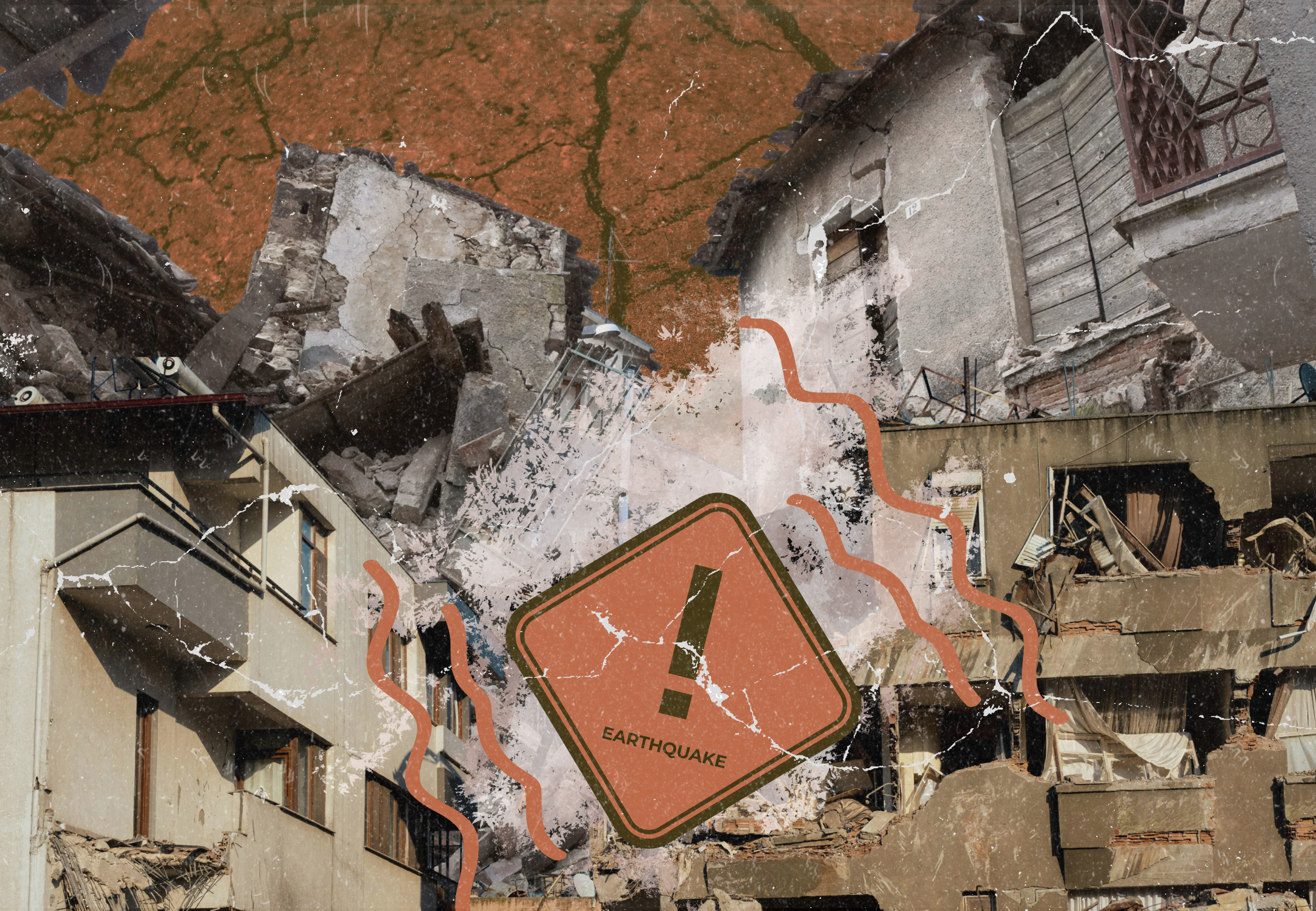
A MASSIVE magnitude 7.8 earthquake struck offshore General Santos City, Southern Mindanao on June 8, 2026, the first day of the new school year in the Philippines. In the aftermath, coverage of some media outlets, including Rappler, MindaNews, Inquirer.net, and Philstar.com shifted quickly from breaking news to tracking the impact in terms of human trauma, describing the geological complexity of the quake, and calling for institutional accountability.
The earthquake originated from the Cotabato Trench or potentially the northern segment of the Sangihe Trench, an active system of subduction (sideway or downward movement) linked to major historical disasters. The tremor caused at least 78 fatalities, with over 1,300 injured and dozens missing.
A defining feature of this disaster was a significant coastal uplift as the seabed rose by approximately two meters, causing the shoreline to recede by 200 meters in parts of Sarangani and Davao Occidental. This geological shift destroyed an estimated PHP70 billion in marine resources, exposing coral reefs and seagrass beds, causing their destruction. Infrastructure damage in Soccsksargen alone exceeded PHP1.2 billion.
Media did well to report on different angles — from human interest to science reporting — setting accountability measures over infrastructure projects.
Scientific translation and explainers
The synthesis of articles from some media outlets transformed the disaster experience of the June 8 earthquake, presenting the disaster experience with the background of geological mechanics and historical significance.
Rappler and Inquirer.net provided explainers of the “coastal uplift,” defining the phenomenon as a vertical deformation of the coast caused by the seabed rising above sea level, driven by the movement of the earth’s crust. Both outlets reported that this phenomenon caused the shoreline to recede by approximately 200 meters and the seabed to rise by nearly two meters in parts of Sarangani and Davao Occidental.
Rappler and Philstar.com both identified the source of “tectonic triggers” as originating from the active Cotabato Trench.
Rappler featured expert analysis to highlight Mindanao’s unique position – surrounded by the Sulu, Philippine, and Cotabato trenches. The June 8 rupture likely occurred where the southern segment of the Cotabato Trench meets the northern Sangihe Trench. Philstar.com provided nuanced differences, distinguishing between “earthquake swarms”—the clusters of small-to-moderate tremors recorded in the months leading up to the disaster—and the standard aftershock sequence that follows the main rupture.
Both Philstar.com and Rappler contextualized the event within the region’s “deadly history” by linking it to previous major seismic events generated by the same trench system. Philstar.com drew direct parallels to the 1976 Moro Gulf earthquake, while Rappler compared it to the 1990 Luzon earthquake and the 2002 Palimbang tremor.
GMA News Online contrasted the Mindanao earthquake with simultaneous tremors in Venezuela, noting that while the Venezuelan events were shallower and caused by strike-slip faulting on land, the Mindanao quake was a powerful subduction event occurring 33 kilometers offshore. To help the public understand this frequency of activity, GMA News Online also described the Philippines’ location along the Pacific Ring of Fire, a 40,000-kilometer belt of intense tectonic interaction that causes the country to experience an average of 20 earthquakes a day.
Accountability and Infrastructure Critique
Other media outlets called attention to much-needed action to ensure future resilience, showing the slow demolition of hazardous structures.
MindaNews reporter Carolyn Arguillas investigated the Matanao National High School, where a building condemned since the 2019 quakes finally collapsed in 2026. Rappler’s Iya Gozum explored the need for retrofitting buildings under older seismic codes and noted that 38% of General Santos City sits on unstable ground.
Drawing on statements from Amnesty International, Inquirer.net reported that Mindanao is “paying the price” for decades of government impunity and neglect. The report argued that the disaster’s impact was an “unnatural disaster” made possible by a lack of commitment to center human rights in governance.
Apart from demolition, media also correctly noted the aid gap. Media tracked the slow restoration of potable water and electricity. MindaNews reported that vloggers and volunteer groups delivered aid faster than the government in remote villages. Mapping logistical bottlenecks (like the 20 impassable roads and 10 bridges in Soccsksargen) provides vital data for relief organizations and holds the government accountable for the speed of its response.
Recording disaster as lived experience
Coverage surfaced close-up portraits of survival, loss, and mourning.
Rappler reporters John Sitchon and Jelo Mantaring showed the flickering candles that Armando Dante kept lit for the ones he lost. The 72-year-old farmer lost his daughter and two grandchildren who were killed when their home collapsed.
Rappler visited the Datal Salvan evacuation center, where over 400 residents endured intense heat on a concrete crop drier, mourning buried harvests.
MindaNews reported the change for a single mother, Noraina Dianga, who lost her livelihood selling fish, quickly grilling bananas to sell by the roadside.
The diversity of human response and adjustment to loss and displacement prevented the setting in of “disaster fatigue.” By focusing on individual displacement and trauma, picking up on the different needs, specific and special, or as basic and simple as the need for milk and diapers, so mothers could continue to care for their babies and children in evacuation centers.
Why is this important
Effective disaster reporting must go beyond government bulletins to contribute to improving policy and resource allocation. By documenting both the specific struggles of families and the decades-long failures of infrastructure, the media ensures that communities are better equipped to prepare for, adapt to, and recover from the next inevitable disaster.
Leave a Reply