Distracting Attention: Marcoleta, Cayetano target media credibility amidSenate leadership disputes
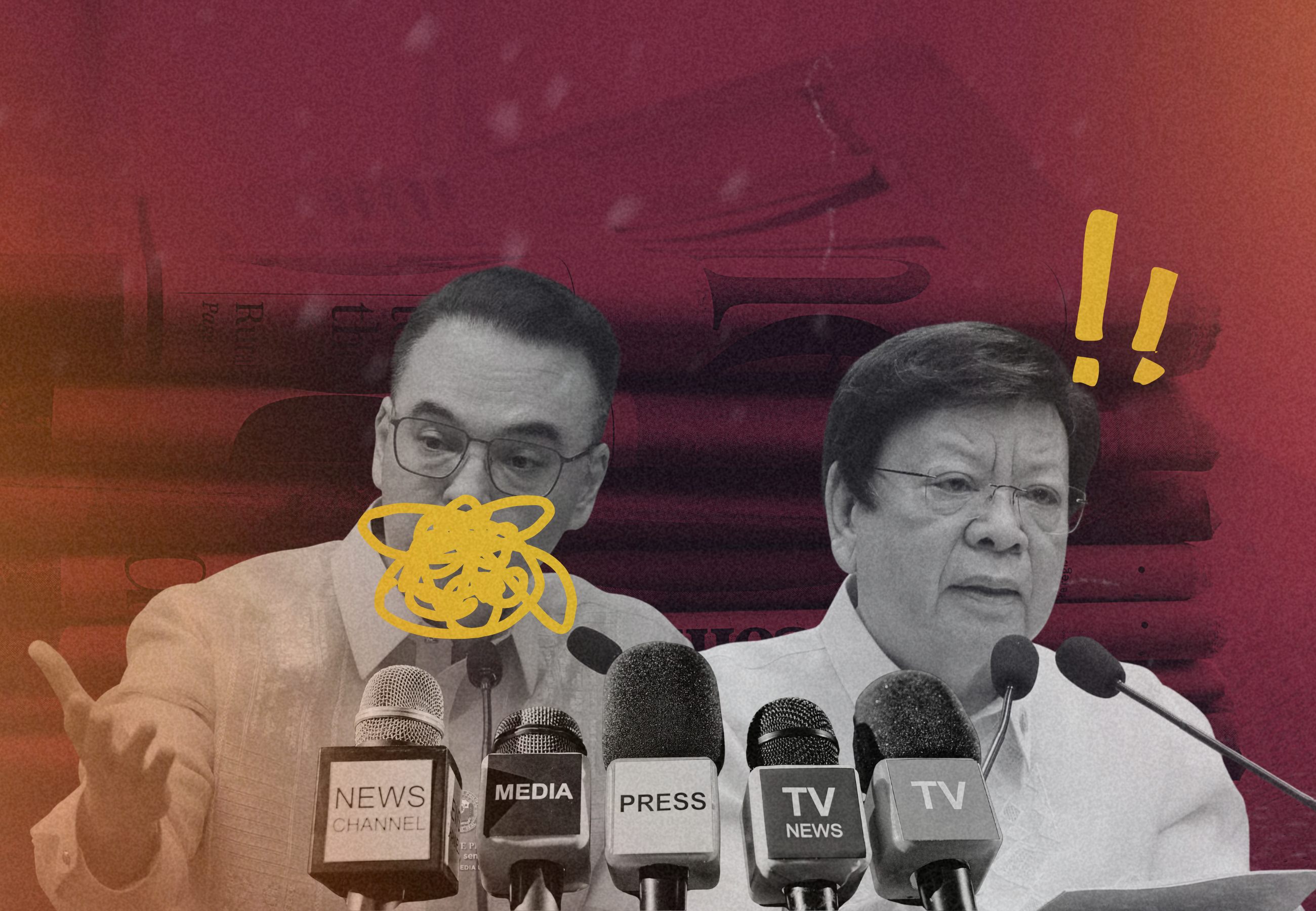
IN EARLY June 2026, the Philippine Senate served as a stage for a dramatic struggle for leadership, including a coordinated and direct disparagement of the press. Senators Rodante Marcoleta and Alan Peter Cayetano used legislative proceedings to accuse the media of corruption and systemic bias. Advocacy groups joined News organizations to respond quickly, retorting to criticize the attempt to divert attention from the irresponsible conduct shown by some members of the upper chamber of Congress. The incident was reported by the media as another attempt to divert attention from the Senate’s failings, using “wholesale vilification” as a defense mechanism to protect the Senate and its members from the damage wrought by the misconduct of their colleagues.
What’s the story
On June 4, 2026, during a disputed Senate Blue Ribbon Committee hearing on the flood corruption scandal, Senator Marcoleta labeled mainstream media practitioners as “paid hacks” (bayaran). He claimed reporters failed to question the “new majority” about the cancellation of a corruption probe and expressed his personal grievance: that major broadsheets had ignored his 45-minute speech at a January 2025 Iglesia ni Cristo rally.
Senator Cayetano also questioned the news judgment of several dailies, waving physical copies of newspapers to ask why his claim to the Senate presidency was not the lead headline. A video also circulated with the false claim that Senate reporters had “applauded” Cayetano for his remarks during a press briefing. While the video showed an audience cheering and chanting “SP!” (Senate President) after Cayetano described himself as a “unifier,” fact-checks revealed that the applause actually came from the senator’s own staff and guests, not the journalists covering the event. During the briefing, the senator himself remarked, “First time I was applauded by the media… that’s not paid.”
Marcoleta issued an apology on the same day, June 4, stating he spoke out of “frustration” and “didn’t mean it”.
What the media did
The media response was immediate, touching on various points. Journalists covering the Senate issued a joint statement describing the “paid hacks” remark as an “irresponsible” and “reckless attack” on an institution essential to democracy. They reminded officials that the media is “not a weapon to be wielded by one camp against another”.
Media also reported statements from different advocacy or media groups: The National Union of Journalists of the Philippines (NUJP) and the Presidential Task Force on Media Security (PTFoMS) slammed the “unfounded” claims, noting they expose journalists to potential harm.
VERA Files debunked the viral claim that journalists clapped for Cayetano, revealing that the applause and “SP!” (Senate President) chants actually came from the senator’s own staff and guests, not the reporters.
The Inquirer published a scathing editorial that clarified the fundamental difference between news and PR. They debunked Marcoleta’s specific grievance by explaining that while he spoke for 45 minutes, he simply “hadn’t said anything newsworthy enough to print”. They also corrected his factual error regarding their staffing, noting they had only one reporter at the cited rally, not three.
This episode is significant because the Senate had dominated national headlines for weeks, a time characterized by reporters as “two weeks of chaos” and “prolonged Senate instability.” This turmoil encompasses a struggle for leadership, the escape of Senator Bato dela Rosa from an active International Criminal Court (ICC) warrant, the suspension of Senator Jinggoy Estrada, and the impeachment trial of Vice President Sara Duterte.
The quality of news coverage has since evolved from straightforward reporting of breaking news to a more analytical approach. Faced with the situation’s “innate absurdities,” the press moved beyond simple reporting to critically evaluate claims and provide essential context. Meanwhile, the attacks by Marcoleta and Cayetano were attempts to use the media as a “convenient scapegoat,” diverting attention from these critical issues. By labeling reporters as partisan “bayaran” (paid hacks), they sought to undermine accountability reporting and reduce it to a mere smear campaign.
As highlighted by Senate media, the press’s primary allegiance must remain to the truth and the public, especially when those in power are striving to maintain their influence.
Leave a Reply