DILG Safer Cities: Reports flag human rights concerns
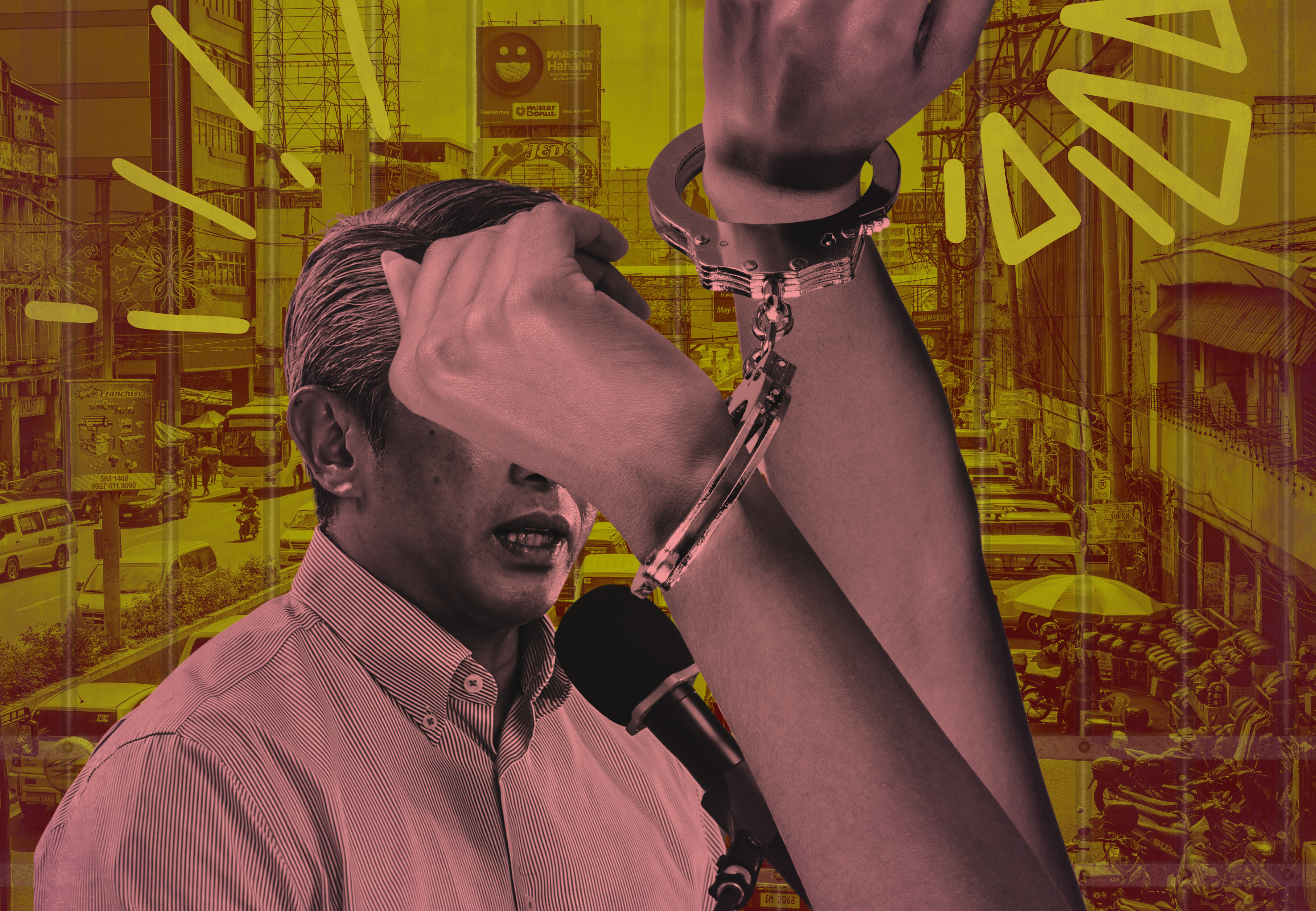
CHEERS to the news organizations that flagged the potential violations of citizens’ constitutional rights in the implementation of the Safer Cities program initiated by the Department of Interior and Local Government.
The program took effect in Metro Manila on April 6 with measures to reduce crime through greater police visibility and stricter enforcement of existing ordinances to establish urban safety in public spaces.
The Philippine National Police (PNP) reported the apprehension of 24,000 individuals in the first two days of operating Safer Cities. The most common offenses were drinking and smoking in public, curfew violations by minors, walking shirtless in the streets, and karaoke sessions after 10 pm. Some of the violators were let go with warnings, some fined or arrested.
Reports in Rappler, Bulatlat and Philstar Life cited concerns expressed by lawyers in the academe and by human rights advocates, pointing to the possible overreach of authority in the implementation of the policy.
Their points include the following:
- The initiative disproportionately targets the urban poor, and can lead to selective and discriminatory enforcement;
- There is no ground to arrest or keep people in custody if the violation is punishable only by fines. The articles referred to the Supreme Court’s (SC) ruling on Ridon v. People of the Philippines that the police cannot conduct a warrantless search or arrest if the penalty for an ordinance violation does not involve imprisonment;
- Minors cannot be fined or arrested for violating curfews, per the Juvenile Justice and Welfare Act. The articles also pointed to the ruling of the SC on SPARK v. Quezon City that curfew orders must ensure that these do not violate a person’s right to travel and must uphold children’s protection, particularly from crime. Instead of being penalized, minors are required to undergo community-based intervention programs.
Interior Secretary Jonvic Remulla admitted on April 13 that his instructions were unclear when the initiative was rolled out. He apologized to the construction worker who was arrested and fined for being shirtless while mixing cement outside his house. As of writing, the City of Manila has suspended implementation of the Safer Cities initiative amid public concerns that the program is anti-poor. However, other Metro Manila cities have moved forward to implement the policy.
The experience of Martial Law, the problematic conduct of anti-insurgency measures, and the bloody crackdown on drugs are all too recent for Filipinos to be complacent about these latest regulatory measures. The media must be quick to flag human rights violations in the implementation of this program, especially when the victims are already poor and marginalized.
Leave a Reply