Deep Dive into Disaster News: Philippine Media Sound the Alarm on impending impact of 2026 ‘Super El Niño’
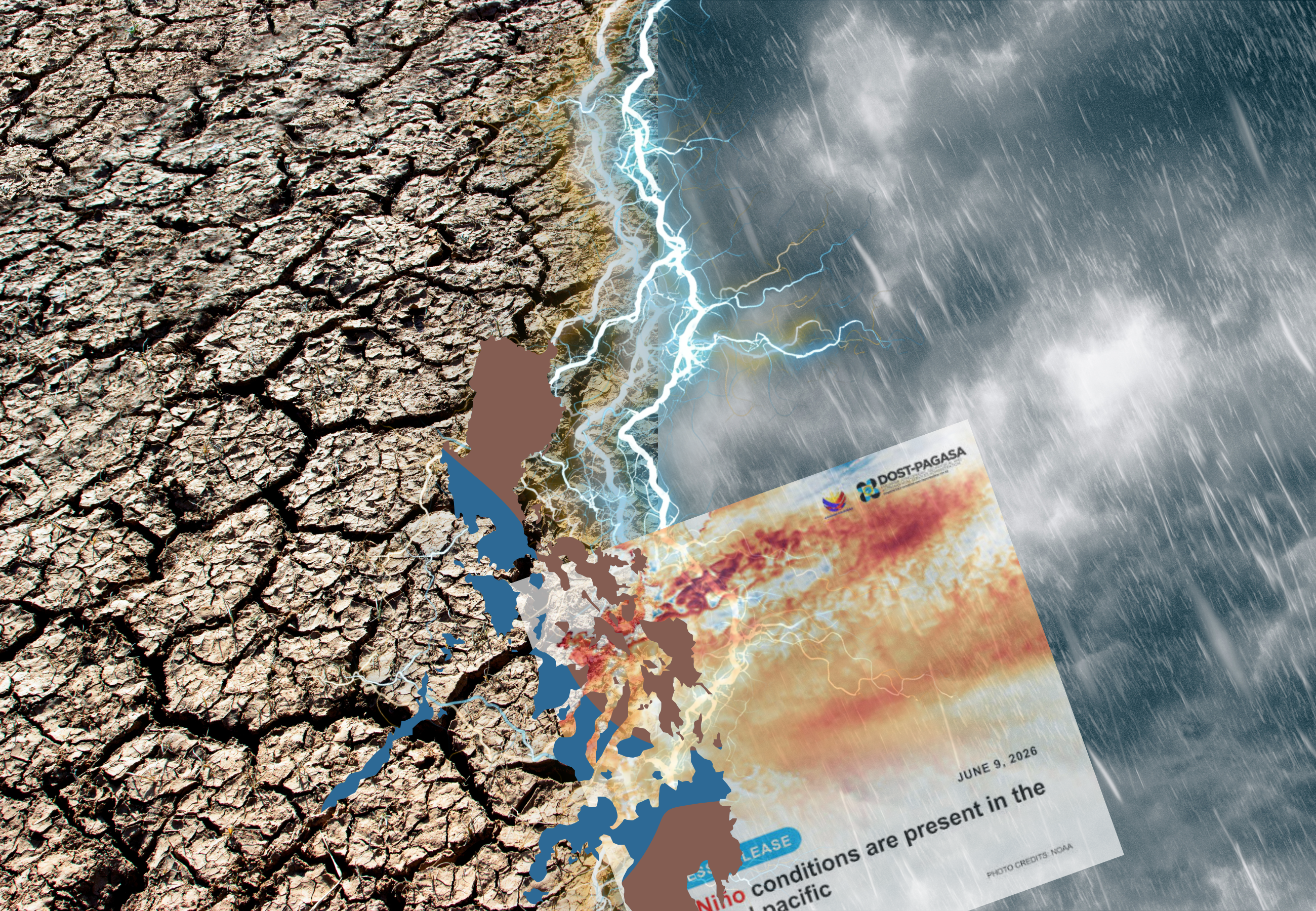
CHEERS TO ANC, GMA News, The Philippine STAR, and Inquirer.net for their explanatory approach in reporting the 2026 “Super” El Niño and its use of the lens of local communities and their experience of the weather phenomenon.
What’s the Story?
The Philippines is entering a period of extreme climate risk, with the Philippine Atmospheric, Geophysical and Astronomical Services Administration (PAGASA) reporting a 92% probability that a strong, potentially “Super” El Niño will develop by the end of 2026. This local alert coincides with a global warning from the World Meteorological Organization (WMO), which identifies an 86% chance of record-breaking temperatures before 2030.
While standard news often treats weather as a series of isolated events, ANC, GMA News, The Philippine Star, and Inquirer.net presented the 2026 Super El Niño as a systemic threat. Their articles shifted from simple summaries to provide deep-dive explainers, connecting the weather crisis to the economic and agricultural vulnerability of Philippine communities.
By doing so, the reports presented a comprehensive roadmap for affected communities—detailing how Northern and Central Luzon face severe losses in rice production; the threat of both floods and drought in Southern Luzon and Bicol affect abaca and coconut crop supplies; the drop in sugarcane yields and fish catch in the Visayas, among other effects in agricultural products.
The public awareness of these threats should drive efforts to hold government agencies accountable should these fail to attend to these issues.
Science reporting
Each outlet contributed specific details that expanded the public’s understanding of the looming crisis. This coverage was exceptional for its presentation of scientific information and the impact of these developments on local areas. :
ANC’s explainer, by Raine Musngi, highlighted the “Two Weathers” phenomenon—a high-risk scenario where the country faces the onset of a paradoxical condition combining the southwest monsoon (Habagat) and drought, as regions on the west may experience flooding while the eastern provinces face water scarcity.
Musngi described complex climate mechanisms, such as the disruption of trade winds in the central Pacific, enabling the public to call for specific government action. It also pointed communities to take measures on their own, urging farmers to adopt drought-resistant crops and calling on Local Government Units (LGUs) to audit drainage systems that are no longer sufficient in dealing with the expected intensity of rainfall. The result is a survival guide for the impending weather crisis.
GMA News’ Raffy Tima reported the global warning from the World Meteorological Organization (WMO) about the 86% chance of a record-breaking heat wave before 2030, with emphasis on rising sea levels and the impact on Philippine coastal communities.
Tima’s report stands out for its sharp systemic critique and deliberate focus on governance. It argued that the Philippine government currently views climate change primarily through the lens of Disaster Risk Reduction (DRR), which deals with crises as they happen, urging a shift in perspective, framing climate adaptation as a “development imperative” that must be integrated into national budgets and long-term infrastructure planning to ensure the nation’s capacity to co-exist with nature as environmental conditions change.
For its part, The Philippine STAR produced a video explainer providing a comprehensive look at the mechanics of a “Super El Niño,” defined by sea surface temperatures rising more than 2°C above average. The Star’s Anna Clarissa Barlam warned that while the country might see fewer typhoons entering the Philippine Area of Responsibility (PAR), those that do enter are more likely to reach “Super Typhoon” status due to warmer ocean waters. It also highlighted a disturbing historical trend: the shorter intervals between strong El Niño events, which have shrunk from a 10-to-15-year gap to just 7 to 10 years.
The report introduced the concept of the “Triple Shock” currently hammering the agriculture sector: the convergence of severe El Niño-driven drought, a volatile global economic crisis, and surging fertilizer prices exacerbated by ongoing conflicts in the Middle East. This multi-layered approach helped the public understand the compounding difficulties arising from a Super El Niño, emphasizing that the threat extends beyond the immediate dangers of extreme heat to fundamentally endanger national food security and the broader economy
An analysis by Dr. Teodoro Mendoza for Inquirer.net offered more granular data on the 2026 forecast. The report provided data projecting significant financial losses and detailed the expected impact on different regions of the Philippines. Mendoza also shared successful strategies from other countries to enhance resilience against such climate events.
Conclusion
Quality journalism helps a wider public to understand the nature of the threat(s) confronting the national community. The much-praised resilience of the Filipino cannot be sustained without information and knowledge about the dangers and how people can ensure their survival.
When the media explains that a Super El Niño could cause rice price spikes of 40% to 50%, it shifts the public mood from passive receivers of information to knowledge-based agents who are looking out for themselves and their communities. It helps the public to have the basic information about the impact of weather on their own quality of life, if not their very survival. These reports should alert the public to check how government agencies are prepared to help Filipinos overcome these severe challenges.
The weather reports have collectively demonstrated the connection of weather to the collective safety and well-being of Filipinos. Climate change is not just about the weather; it is about protecting the nation’s food security, jobs, livelihood, and the shared capacity to face the future and survive.
Leave a Reply