A review of the Cabral case: What the news revealed, what remains unknown
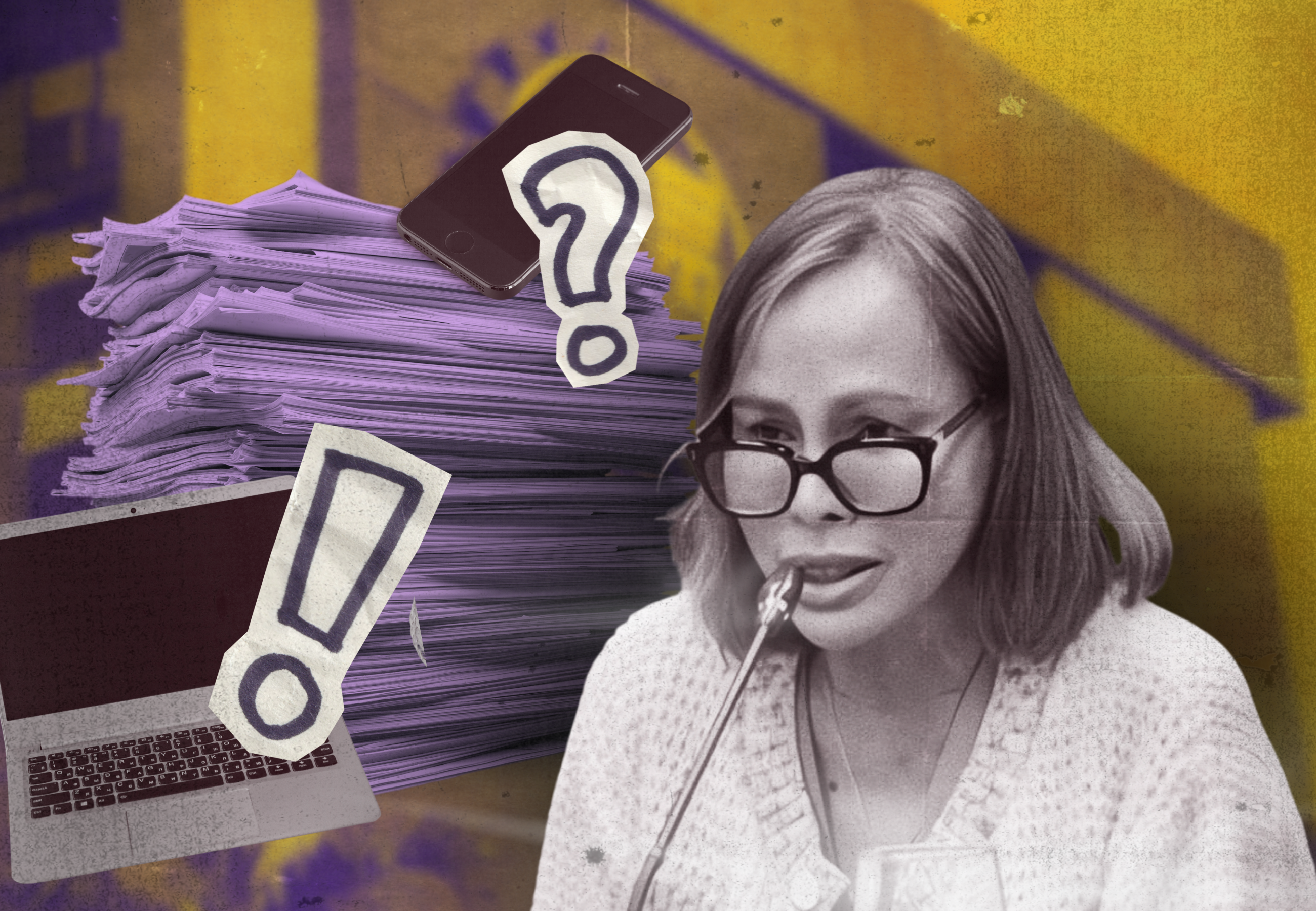
MARIA CATALINA “Cathy” Cabral, Former Department of Public Works and Highways (DPWH) undersecretary had become a familiar face in the media coverage of flood control issues since September 2025. Media coverage identified Cabral as a key figure in the investigations, presenting her role in the planning and program implementation of DPWH’s Public-Private Partnership (PPP).
The case should provide a greater understanding of the role of individual officials in the bureaucracy and the power they hold in the disbursement of funds for infrastructure development.
September-November 2025: Senate hearings and emerging allegations
Reports focused on the Senate Blue Ribbon Committee hearings, which began to probe alleged irregularities in flood control projects in September 2025. Coverage picked up in intensity after Senator Panfilo “Ping” Lacson publicly implicated Cabral, saying that after the May 2025 elections, the DPWH official reached out to the office of then Senate President Vicente “Tito” Sotto III to ask the latter what he wanted inserted in the 2026 national budget.
Media reported how Cabral was repeatedly summoned and questioned during the sessions, indicating that senators understood the important role she played in setting the funding priorities of DPWH for infrastructure projects.
DPWH Secretary Vince Dizon told the public on September 18 that he had accepted Cabral’s courtesy resignation, which she had filed two days earlier on September 14. News reports linked Cabral’s resignation to the ongoing controversy, although official statements did not refer to any wrongdoing.
Reporting became more detailed in November 2025. Testifying before the Senate, former DPWH Undersecretary Roberto Bernardo said that Cabral, with the authorization of then public works secretaries Mark Villar and Manuel Bonoan, had the power to “remove, include, add, deduct, or modify” items in the National Expenditure Program (NEP) for infrastructure. This testimony, as reported by the media, described Cabral’s level of discretionary authority over budget items.
Bernardo also told the Senate that district engineers submitted lists of proposed projects to DPWH officials, after which Cabral facilitated and ensured the inclusion of selected projects in the NEP for funding.
While reports described this process, they did not discuss whether Cabral’s exercise of authority was lawful or not.
Coverage presented Bernardo’s other claims in his testimony to the Senate, including Cabral’s direct communication with lawmakers to discuss which projects they wanted prioritized in the DPWH budget.
However, reports did not discuss the legality of such interaction, or such exchange wee whether these were part of standard budgeting procedures. Any mention of violations was largely reported as quotes.
December 2025: Cabral’s death, files as evidence
Media coverage took a dramatic turn in December 2025, when Cabral was found unconscious in a ravine along Kennon Road in Benguet on December 18 and later declared dead by authorities.
Early reporting of her death laid out the known facts while also documenting the speculations of foul play and claims of a staged or “fake” death, given Cabral’s access to sensitive information on DPWH controversies. Subsequent reports, however, relayed police findings confirming that the body was indeed Cabral’s and that she died from injuries due to the fall.
On December 19, a day after Cabral’s death, Rappler revisited the role she played in DPWH, placing these allegations within a broader pattern of infrastructure-related controversies, emphasizing how these confirmed that her position allowed her to bridge technical planning and political negotiation.
Custody of evidence and investigative priorities
Cabral’s death did not end the news trail. Media attention shifted to the examination of the records she left behind. The Office of the Ombudsman ordered Benguet authorities to take custody of and preserve Cabral’s cellphone and other electronic devices. The Ombudsman also subpoenaed the DPWH to turn over Cabral’s office computer for investigation.
January 2026: Files go public
So far, verification has remained unofficial and the custody files have raised concerns.
Media reports have picked up issues, including the warning of Assistant Ombudsman Mico Clavano that the soft copies held by third parties could lose evidentiary value due to the risk of tampering.
Allegations have hounded Leviste’s release of files he held. Investigators said Leviste has turned over only limited portions of the files—an allegation Leviste disputed, saying he presented full summaries and spreadsheets. Media did not say whether this meant release of “complete” files.
Rappler’s report identified those who had access to the files before Cabral’s death. The article pointed out that Rep. Leviste had been referencing the documents since October and had shared copies with some media outlets, including the Philippine Center for Investigative Journalism (PCIJ). PCIJ later published its own findings, reporting that members of the Marcos family received the largest share of allocable infrastructure funds from 2023 to 2026. (See, “PCIJ: From 2023 to 2025, Marcos kin received highest amount of ‘allocable funds,’ a new form of pork barrel“)
GMA News Online cited a constitutional expert who stressed that the Cabral files, if genuine, are public records subject to public scrutiny and should not be concealed. This framing shifted the issue from a political dispute to a broader question of government’s transparency and accountability.
Leviste released on January 21 an unofficial copy of the Cabral files on his official Facebook page, listing projects under the 2025 NEP across regions. Media coverage again emphasized that while the documents were now public, their authenticity and full evidentiary value remain unresolved and still subject to official evaluation.
Lessons learned
The Cabral case involves more than the dramatic story of a government official’s rise in her position and authority, her fall from grace, and sudden death. It provides enough leads for the media to pursue what started it all in the news — the lack of infrastructure for flood control despite the allocation of massive funds for the purpose.
Reporting on the case, journalists have fixed the spotlight on the discretionary powers of bureaucrats and the extent of their influence over the disbursement of funds, in this case, the DPWH and its central role in extending development and its benefits to the people in remote areas as well as vulnerable urban communities.
If anything, the case is a wake up call to not just to the media, but to the public about the critical importance of the department and how its bureaucracy nationwide requires the highest level of media attention and scrutiny.
Cabral Files
Prior to her death, Cabral had reportedly been cooperating with the Independent Commission on Infrastructure (ICI) in its own investigation. According to Cabral’s lawyer, Atty. Mae Divinagracia, her client, left behind documents contained in six boxes, allegedly listing DPWH funding allocations from 2023 to 2025. After Cabral’s death, reports account that the boxes of documents as missing.
News reported the claim of Batangas 1st District Representative Leandro Leviste who after Cabral’s death, said he had obtained copies of some of these documents. Media reports turned attention to Leviste’s assertion, that the files were official DPWH records showing proponents and insertions in the 2025 national budget—a budget that critics had described as bloated with discretionary or “allocable” funds.
On December 24, Leviste posted on Facebook what he said were DPWH budget documents for district engineering offices nationwide. Journalists, however, did not treat the disclosure at face value. Coverage also documented DPWH officials’ counterclaims that Leviste had forcibly taken files and even a computer from Cabral’s office — claims Leviste denied, insisting he had authorization from both Cabral and Secretary Dizon. Dizon publicly denied granting such permission and questioned the authenticity of the documents.
Media should not fail to check on trail of custody over these files.
Leave a Reply