Rappler and CDN explain the roots of the Binaliw landfill tragedy
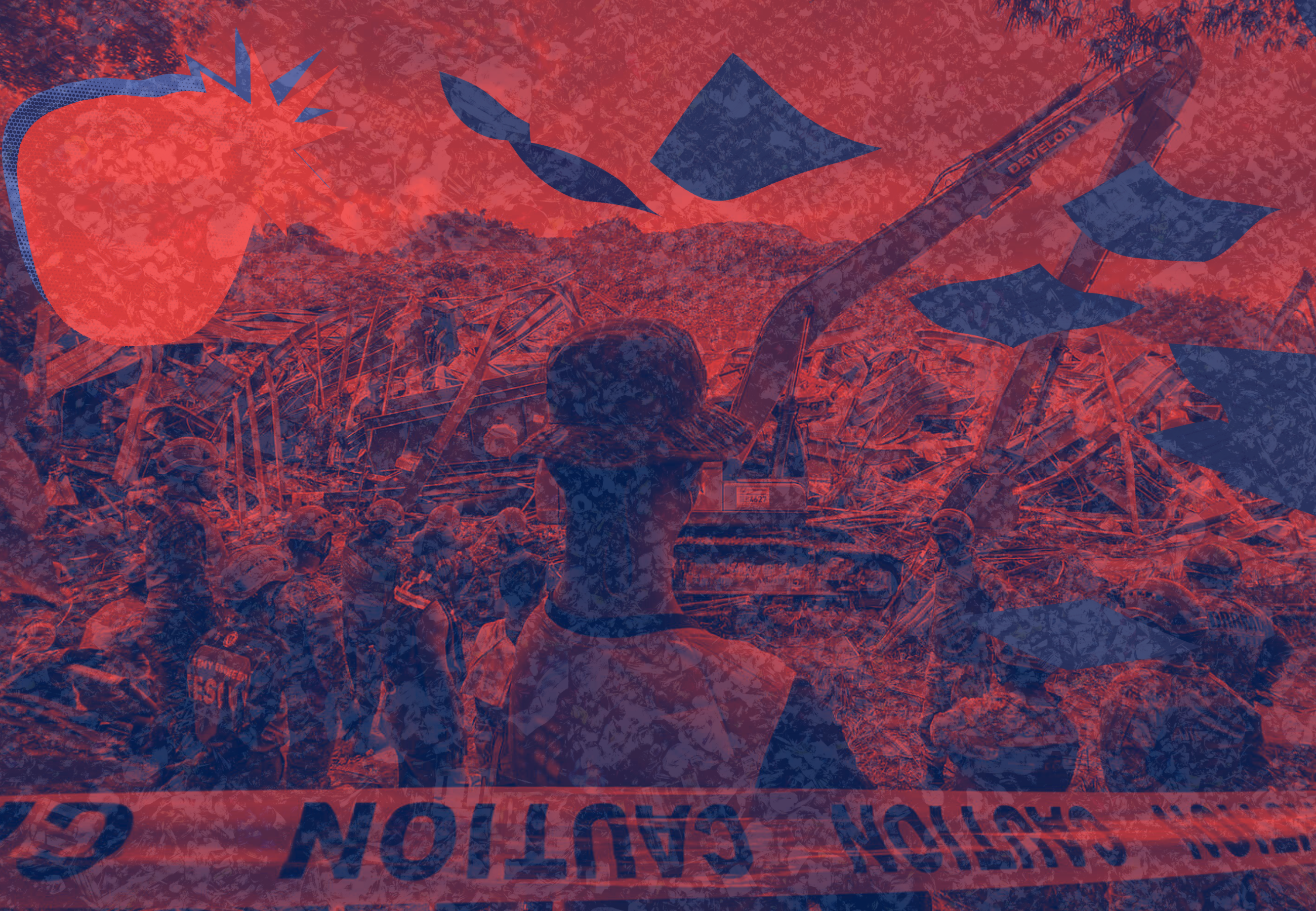
CHEERS TO Rappler and Cebu Daily News for moving away from episodic coverage of disaster and instead examining the context of failure that preceded the deadly collapse at the Binaliw landfill in Cebu City.
On January 8, a landslide of garbage killed dozens of waste workers. Much of the coverage led with quotes from official statements, followed rescue operations, and cited casualty updates. News accounts conveyed the urgency on the ground, detailing the magnitude of loss of life and property.
Initial reports centered on the search for missing workers buried under massive volumes of trash, the rising death toll, and the suspension of landfill operations. News organizations reported on the declaration of a state of calamity, the Department of Environment and Natural Resources (DENR) Central Visayas’ cease-and-desist order against the site’s operator, Prime Integrated Waste Solutions Inc., and promises of investigations by local and national officials. These were essential developments; but most coverage treated the collapse as a sudden calamity triggered by weather conditions, failing to explore the context and identify pre-existing risks.
Two reports stood out for pointing out that the tragedy should not have come as a surprise, explaining how it happened, and describing it as a calamity waiting to happen.
Oversaturated Landfill
Cebu Daily News, on January 15, published an explainer by Pia Piquero, who assembled the environmental, technical, and regulatory factors that contributed to the disaster. Drawing from initial assessments by the Mines and Geosciences Bureau (MGB) and other experts, the report pointed to continuous heavy rainfall that oversaturated the landfill, weakening the stability of a massive trash mound built on sloping terrain. It noted that garbage had accumulated at the site to reach a dangerous height of 35 meters, increasing the pressure on the ground and the likelihood of the slope collapsing.
The report also described that inspections in 2024 and 2025 cited violations of the Ecological Solid Waste Management Act of 2000 (RA 9003), with councilors and inspectors warning that the facility was operating “more like an open dumpsite than a sanitary landfill.”
The explainer did not treat rainfall as the sole cause. Instead, it emphasized the combination of factors: the oversaturation of garbage, the slope on which the garbage had accumulated, the lack of monitoring and engineering safeguards – all contributed to its collapse.
Long-running controversies
Rappler’s report, complemented this technical explanation by reconstructing the site’s troubled history. Shay Du, on January 13, recalled that the Binaliw facility had long been the subject of community complaints and environmental concerns even before the deadly landslide. Residents and advocates had raised alarms over “inadequate drainage and stormwater management, infestations of flies and rats, foul odor, and a potential leak in its treatment plant”— issues tied to questions about compliance with the Ecological Solid Waste Management Act of 2000 (Republic Act No. 9003).
The site’s history also included complaints about its location near the Central Cebu Protected Landscape Area and the Butuanon watershed, illegal quarrying, and the lack of an Environmental Compliance Certificate (ECC).
Oversight by local authorities and environmental regulators struggled to keep pace with Cebu City’s growing waste output. Long-standing tensions over responsibility — between local government units, regulatory agencies, and private operators — persisted well before lives were lost. By situating the landslide within this backgound, Rappler made clear that the tragedy did not emerge in a vacuum.
Tragedy to accountability
Together, the two reports did what much disaster coverage fails to do. Cebu Daily News clarified the physical and environmental dynamics behind the collapse, while Rappler traced the regulatory, political, and community context that allowed risks to accumulate over time. Both refused to isolate the tragedy from its broader setting, reminding readers that disasters are often years in the making.
This depth of reporting matters because it shifts public response from mourning over yet another tragedy to a sharper reaction to the failure of collective responsibility that calls for accountability and reform.
Moving from the requirements of speedy reporting, the two articles demonstrate the value of explanatory, contextual journalism, reminding readers that behind every disaster headline lies a web of public failure, the trail of omissions, the tack of decisive action and quick response, the consequence of which is now measured by the loss of human lives.
Leave a Reply