Drug czar on the move: More analysis, in depth reporting needed
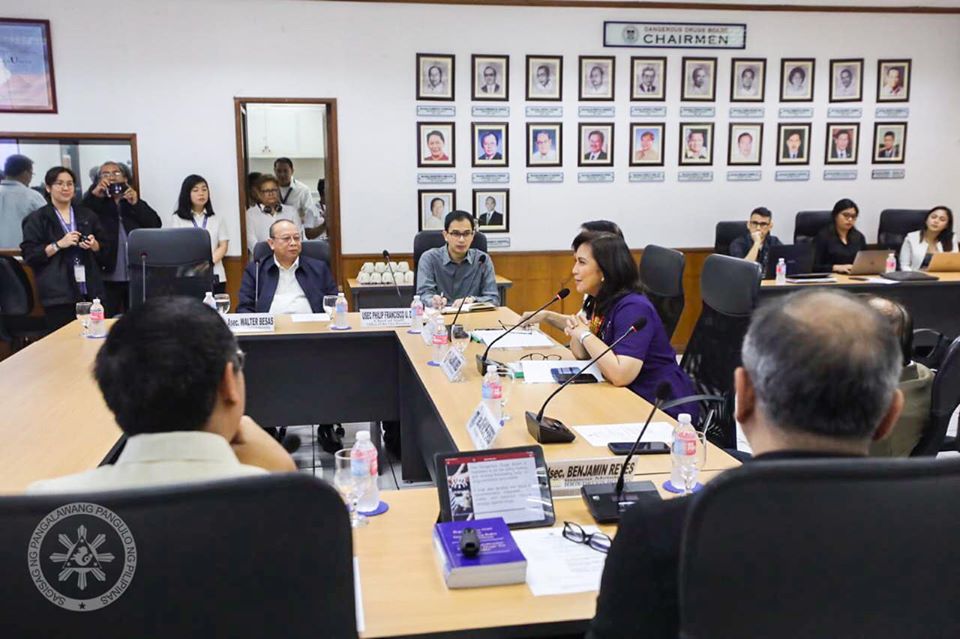
VICE PRESIDENT Leni Robredo has wasted no time since she accepted her appointment as co-chair of the Inter-Agency Committee on Anti-Illegal Drugs (ICAD). As the so-called drug czar, Robredo was tasked with taking the lead in the government’s anti-illegal drug campaign.
The media has kept track of Robredo’s progress, spotlighting her new approach to addressing the drug problem. Several meetings she held with relevant agencies and groups were given front page space and led TV news programs.
But coverage also picked up on the brewing discord that reflects a fundamental disagreement within ICAD about how to work with the vice president.
CMFR monitored reports from seven newspapers (Manila Bulletin, Philippine Daily Inquirer, The Philippine Star); primetime newscasts (ABS-CBN-2’s TV Patrol, CNN Philippines’ News Night, GMA-7’s 24 Oras and TV5’s Aksyon); as well as selected news website from November 9 to 20, 2019.
Tracking progress
The reports highlighted Robredo’s emphasis on reorienting the anti-drug strategy, the importance of consolidated data on the drug war, particularly on the reported cases of killings and deaths, and her request for access to the list of high-value targets (HVTs). Some of the media noted that these efforts were necessary for Robredo to get the big picture and appreciate the extent of the narcotics problem in the country.
However, her request for access to the list of HVTs was questioned by no less than her co-chair Aaron Aquino of the Philippine Drug Enforcement Agency (PDEA) and Lt. Gen. Archie Gamboa, officer-in-charge of the Philippine National Police (PNP). This was quickly followed by the Palace announcement that Duterte still held reservations about bringing her back into the Cabinet, citing her supposed “missteps.” The president himself confirmed this when he said in the evening of November 19 that he “cannot trust her” because “she is with the opposition.”
Media’s close attention to the obvious efforts of some officials to make her fail have included the views of some lawmakers and analysts about her actions and prospects as the drug czar.
Going beyond the limitations
Clearly, Robredo’s progress doesn’t sit well with the administration. If the rants of the Palace and their allies are any indication, Robredo seems to be on the right track. But the issue could easily devolve into personality politics, should media revert to simply focusing on the talking heads, picking up quotes without providing context.
Since Robredo is still in the process of getting up to speed with her task, the media’s coverage may understandably be limited at the moment. But rather than merely picking up what naysayers have to say, reducing the discourse to a policy conflict, media reports should expand the discourse and provide the public with accounts of how countries similarly afflicted with the plague of drugs had discovered what works. Many of these strategies require the efforts of different groups and forces in society.
The media must move past simply reporting what Duterte and his accomplices say and recording Robredo’s daily activities. The media can be part of the solution, sharing information and establishing a framework that responds to plague of narcotics that eschews violence.
Leave a Reply