Continuing nCoV coverage: News organizations made a difference
FILIPINO WATCHED with alarm as China grappled with the spread of the 2019 novel coronavirus acute respiratory disease (nCoV-ARD). With overseas Filipino workers in China and elsewhere, and the influx of Chinese nationals, both tourists and workers, the sense of crisis quickly gripped the nation.
The Department of Health (DOH) announced the first confirmed case of the virus on January 30. Four days later, the number had risen to three.
The speed with which the virus spread sparked all kinds of misinformation on social media with false claims shared by unthinking users, including silly as well as harmful remedies. The epidemic was declared as a “public health emergency of international concern” by the World Health Organization on January 30. The DOH in a press conference the following day briefed the public on protocols instituted to respond to the crisis.
The nCoV-ARD gave
news organizations and mainstream media a chance to set itself apart as a
source of reliable, verified information, as mainstream and online reports kept
tabs of developments here and abroad. Moving into its second week of coverage,
media repeated as necessary the important reminders from the DOH, thus ensuring
public awareness of government protocols to address the spread of the virus.
Some media kept up with the urgent need to provide as much useful information about the nature of the disease and instructions for personal health and safety. CMFR cheers media’s efforts published, posted or aired from January 30 to February 5, 2020.
Explainers
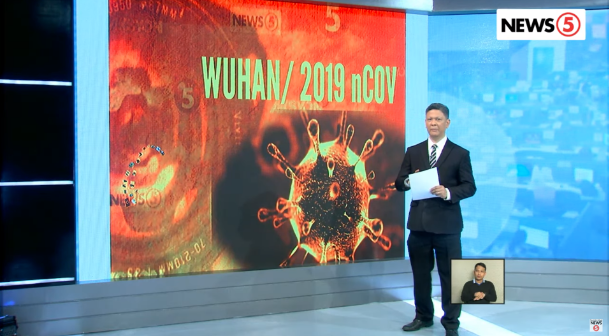
Aksyon anchor Ed Lingao on January 30 briefed his audience about what was known so far about the nCoV, providing details on how it spread; its characteristics and similarities with other respiratory diseases. In another explainer on January 31, Lingao in the context of the nCoV talked about the nature of viruses and how these spread in contrast to other forms of infectious diseases, and the treatment of viral infections as well as public health measures to deal with these.
24 Oras on February 3 described the nCoV’s mode of transmission, citing the most recent information from the US Center for Disease and Control.
Both programs used animation and other visual cues to enhance public understanding of scientific facts and findings.
Quick facts, basic info
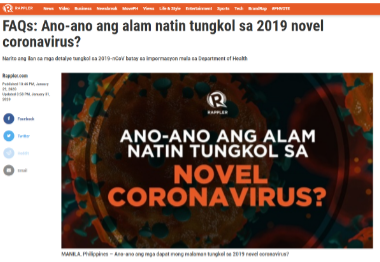
Rappler ‘s January 29 report in Filipino compiled frequently asked questions about the nCoV, providing general information about the virus, its symptoms and mode of transmission, as well as precautionary measures.
Another informative report from Philstar.com on January 30 published such basic information, also including details about the measures implemented so far to deal with the virus.
The Philippine Star on January 3 reviewed the emergence of nCoV, its characteristics and mortality rate. Infographics visualized the symptoms and preventive measures against it.
Fact-checks
Amid the serious public health threat, misleading information continued to sweep through online media. CMFR cheers the counter-efforts to check the malignant spread.
Some examples include Rappler’s collection of eleven nCoV-related hoaxes on January 30 and VERA Files’ debunking a rumor that a Filipino had invented a vaccine against nCoV on February 3.
A similar effort was seen in TV news. On January 31, 24 Oras called attention to rumored false remedies to treat the virus, including drinking garlic water or bleach; and that surgical masks can and should be reused, citing information from DOH to debunk these.
Leave a Reply