Budget watch: KMJS unpacks unprogrammed appropriations and the debate over corruption risks
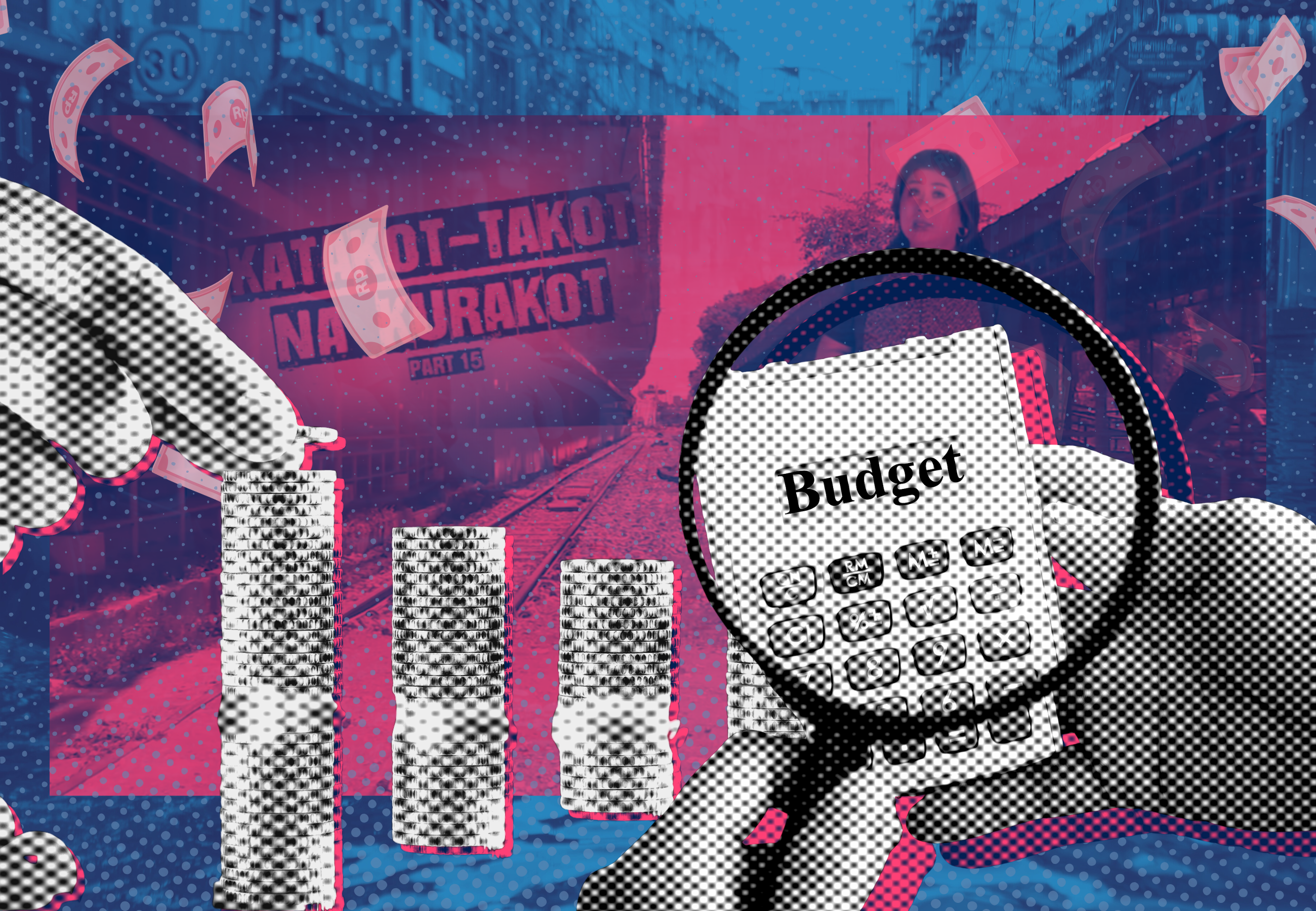
CHEERS TO GMA 7’s Kapuso Mo, Jessica Soho (KMJS) for presenting the technical and complex national budget issues recently linked to large-scale corruption, with a sharp focus on the practice of unprogrammed appropriations (UA). The special report marked the 15th installment of KMJS’s corruption series, “Katakot-takot na Kurakot.”
On January 5, President Ferdinand Marcos Jr. signed into law the PHP 6.7 trillion 2026 national budget or the General Appropriations Act of 2026, which the administration hailed as “pinakamalinis, pinakamaayos at ito’y para sa taong bayan” (squeaky clean, decent and for the people). The budget represents a 7.4 percent increase from the PHP 6.3 trillion 2025 budget, which critics dubbed the “most corrupt” as revelations described the abuse of allocations amounting to PHP 363.2 billion in UA. Concerns were raised over the inclusion of PHP 150.9 billion in UA in the new budget. Although PHP 9.2 billion was vetoed from the original PHP 243.4 billion UA allocation, critics argued that the remaining amount still posed serious corruption risks.
Caloocan Representative Edgar Erice criticized the inclusion of UA, arguing that these should have been scrapped entirely. Together with Representative Leila de Lima of the Mamamayang Liberal partylist, Erice filed a petition before the Supreme Court for a temporary restraining order against using any UA.
Aired on January 11, KMJS grounded its budget analysis on the actual exper/ience of the many Filipino commuters at the start of their work day. Opening with footage of an overcrowded MRT station, the feature followed up with man-on-street interviews. The report highlighted long-delayed transport projects such as the North–South Commuter Railway and the Manila Subway, tracing their stalled progress to the diversion of funds toward UA-linked flood control projects and other “ghost projects.” The program showed how UA displaced essential infrastructure and enabled large-scale corruption.
KMJS explained the UA functions as a standby fund tied to foreign-assisted projects that require government counterpart financing and may be spent only when excess revenues or assured funding become available. To simplify the issue, KMJS compared the national budget to a worker’s salary: programmed appropriations cover basic needs like food, rent, utilities; while UA resemble optional purchases, like buying a cellphone, made only when extra money, such as a bonus, is available.
Legal expert Atty. Renjomar Baltazar explained that critics view UA as unconstitutional due to unclear funding sources. Adolfo Jose Montesa of the People’s Budget Coalition described UA as a “shadow budget” controlled by the Executive, lacking transparency and public oversight. Its supporters argue that UA are conditional funds and are not automatically spent. The Department of Budget and Management maintained that the UA provisions are constitutionally valid.
Erice told Jessica Soho that the budget would have been “okay” without UA, noting that UA had been a source of corruption. While previously tolerated, he stressed that their exposure as a tool for large-scale abuse should prompt restraint, starting with the 2026 budget.
In conclusion, KMJS stressed the need for public vigilance, citing World Bank estimates that 20 percent of the national budget — which could amount to more than PHP 1 trillion under the 2026 budget — is lost to corruption.
Other news organizations used technical and legal explainers in their reports on UA. KMJS proved more effective by showing how these budget choices affect real people and everyday services. KMJS reaffirmed the media’s watchdog role, describing how transparency and accountability in budgeting directly affect economic growth and public trust.
Leave a Reply