Rhetoric and reality: Media scrutinizes the gaps in Marcos’ 5th SONA
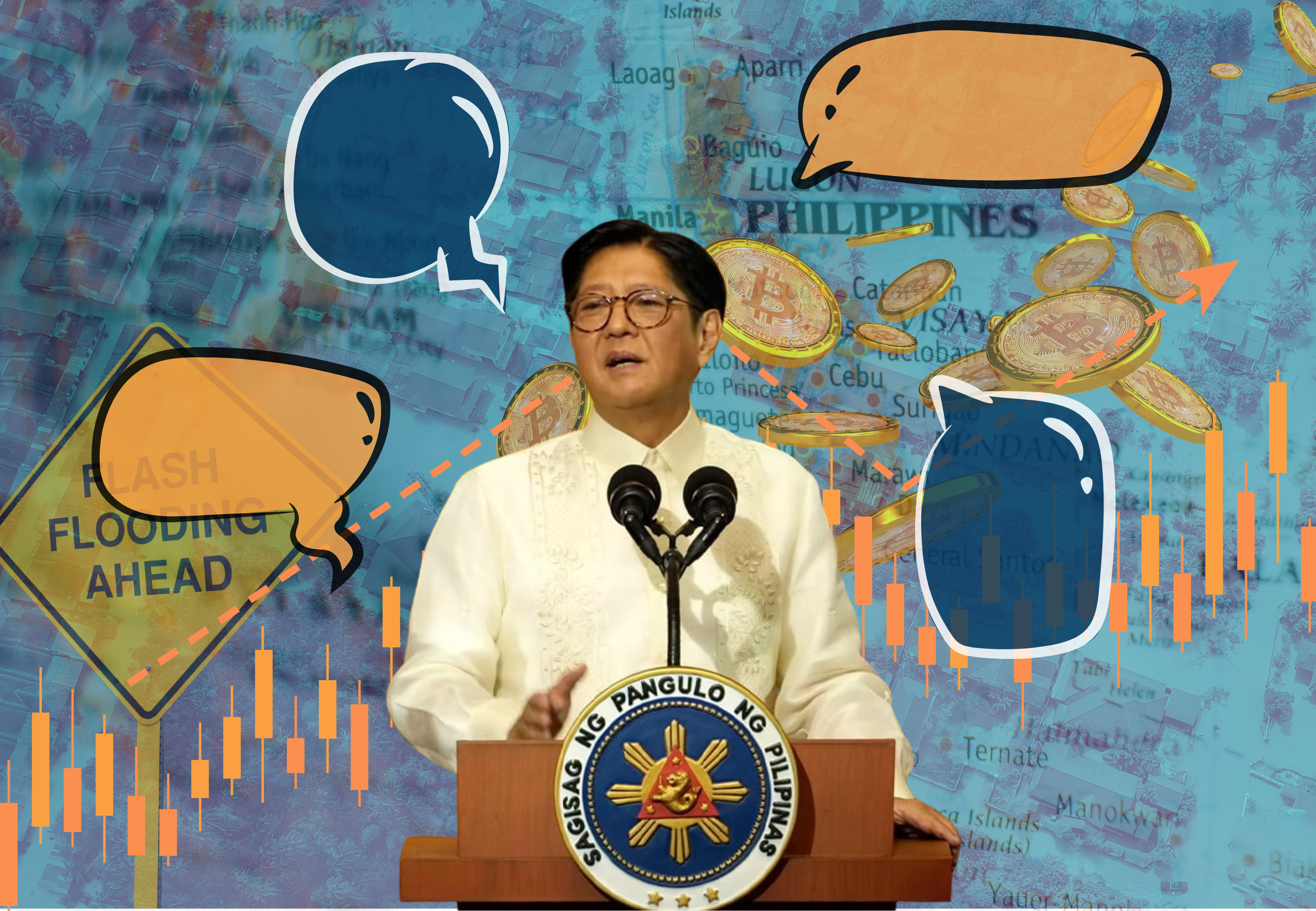
CHEERS TO PhilSTAR Life, Rappler, Bulatlat, and the Philippine Daily Inquirer for taking a more analytical approach in reviewing President Ferdinand Marcos Jr.’s fifth State of the Nation Address (SONA). These identified the gaps–issues which the President did not discuss, notably human rights issues and the need for structural reforms and the timelines for the immediate actions the President said the government would take.
What’s the story
On July 27, 2026, President Marcos Jr. delivered his fifth and longest SONA, clocked at one hour and 26 minutes, using either English or Filipino, shifting with ease between the two to reach the masses and the international community. The President centered his speech on accountability, addressing public concerns about the multibillion-peso flood control scandal and the imminent filing of charges against his cousin, former Speaker Martin Romualdez. Throughout the speech, he projected an administration that acts with “speed” to address crises, highlighting tax exemptions and PhilHealth expansions. He assured his steadfast stand on the West Philippine Sea, closing with the battle cry, “We do not yield”.
What the media did right
While the President was met with repeated standing ovations inside the Batasang Pambansa, the media worked to ensure public awareness of what was missing from the “glittering words”.
Human Rights and International Justice
Philippine Daily Inquirer and Bulatlat correctly identified a “deafening silence” about a concrete human rights agenda. Experts such as international law lecturer Romel Bagares and human rights lawyer Neri Colmenares expressed their frustration over the lack of a clear policy on rejoining the International Criminal Court (ICC) and the failure to stop the government’s “red-tagging” and other attacks on civil society organizations.
Both reports also highlighted a disturbing failure of the speech to acknowledge that 1,291 drug-related killings have been recorded since the start of this presidency.
Political Strategy and Structural Accountability
PhilSTAR Life presented political analysts who dissected the speech’s “defensive” stance. Political scientist Cleve Arguelles noted that while the President faced the flood control scandal head-on, he failed to propose political reform legislation to ensure such corruption does not happen again. Sociologist Louie Checa Montemar further critiqued the speech for portraying Filipinos as mere “recipients of assistance” rather than empowered citizens capable of reshaping economic power.
Political analyst Prof. Froilan Calilung described the SONA as “defensive rather than visionary,” adding that allowing his cousin, Martin Romualdez’s, fall from grace was a “strategic ploy” to project the president’s anti-corruption stand and counter declining popularity ratings.
Economic Realities and Fiscal Gaps
Philstar.com also pointed out that the president omitted the country’s PHP18.55 trillion national debt, along with the low economic growth of only 2.8% in the first quarter, missing the 5-6% target.
Rappler’s research team provided a vital reality check on the President’s claims of acting “immediately” – pointing to an example of “immediate” responses to the Middle East crisis actually taking between 48 and 82 days, and that the rice price cap was only imposed 74 days after the crisis began, following intense public pressure.
The Rappler team also cited Dr. Toby Dayrit, who clarified that the President’s push for nuclear energy misrepresented risk levels and “hidden costs” regarding waste management.
Similarly, reports noted that the “10,000 school counselor associates” mentioned by the President are legally restricted from actually conducting counseling, leaving a gap in student mental health support.
Why this is important
The media’s role during and after the SONA involves the critical analysis that measures the distance between rhetoric and reality. As noted by analysts, the authenticity of a leader is ultimately judged by the consistency between their words and subsequent actions. By pointing out the lack of a long-term revenue strategy, the omission of the national debt, and the absence of a sweeping legislative agenda, the media reminds the public that true accountability is measured by results, not more public announcements.
Reporting on the rhetoric, journalists must follow up on the failed promises past and present. As Marcos Jr. enters the concluding years of his term, and even after his annual SONA, reporters would do well to review the promises made, to check whether the president has made any effort at all to save his words from the realm of wishful thinking.
Leave a Reply