2026 Academic Year: Media revisit perennial problems of PH education
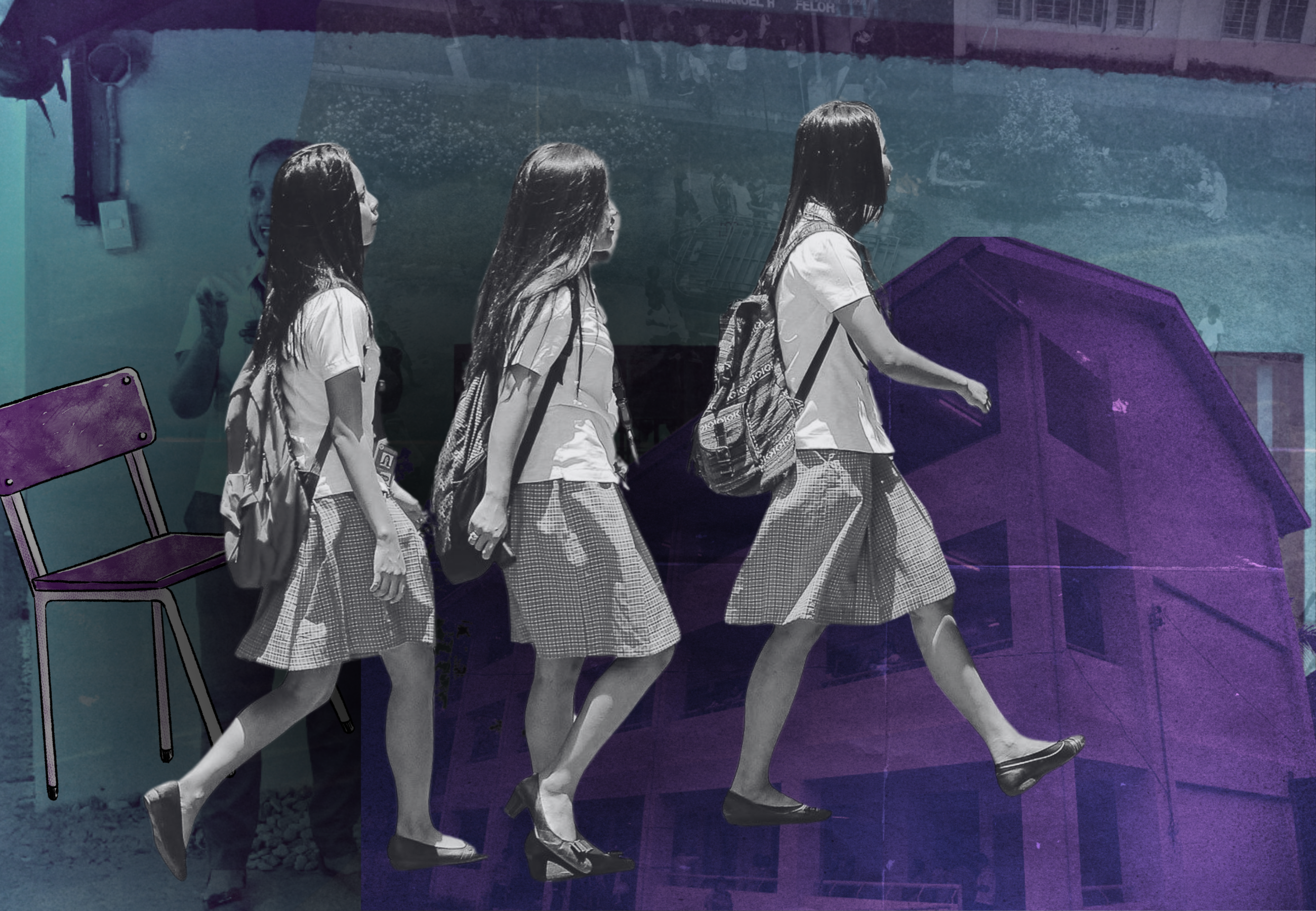
THE ALL-TOO-FAMILIAR problems that have hounded the country’s educational system are all there. Media did not wait for school opening to include these issues in their reports, but included the concerns in the week before school opened on June 1. Reports on the opening of school, however, called attention to the lack of funds for education, despite the fact that it receives the largest share given to any department in the national budget.
Highlights in media coverage
Brigada Eskwela
Reports revisited Brigada Eskwela, a program initiated by the Department of Education (DepEd) in 2003 to engage stakeholders, including students, parents, and teachers in the preparation of classrooms, cleaning up and fixing damaged areas, repainting blackboards and walls, and supplementing learning materials. Brigada Eskwela exemplifies the principle and practice of bayanihan, and its spirit of volunteerism.
However, the exercise has also exposed the reality of institutional shortcomings. Media reports emphasized that despite the government’s budget allocation and inter-agency support, repeated calls for stronger financial support indicate the insufficiency of current funds.
Reports from GMA News and ANC 24/7 on June 2 explained the context of Brigada Eskwela, amplifying teachers’ concerns over inadequate government funds, particularly the delay or even failure to release funds for allowances for faculty.
Teacher’s financial strains
Philstar.com’s Bella Cariaso’s reported Brigada Eskwela activities, including firsthand accounts from teachers whose personal narratives reflected the range of inadequacy, delays, and low compensation. The article presented the personal narratives of teachers, reflecting the broad context of inadequate compensation, delayed releases of allowances, and payments for special services. Cariaso calculated an entry-level teacher’s salary, government deductions, and out-of-pocket expenses for Brigada Eskwela, to show the costs for school preparation amount to 19% of a teacher’s monthly take-home pay.
Government response to these concerns included a Lower House probe to investigate teacher spending for Brigada Eskwela activities. However, as of this writing, media reports to follow up on legislative findings have been limited.
Between June 2 and 5, media reports fixed attention on the burden placed on teachers, reinforcing the long-standing idea that school system, including getting schools ready for opening, requires the personal service and sacrifice of stakeholders.
Status of school buildings
Reports shifted to concerns over the physical infrastructure of schools in the weeks that followed.
The classroom shortage has been a perennial problem since 2009, with almost 165,000 classrooms lacking in the past decade.
Philstar.com’s Christina Chi on June 17 presented an unusual angle with regard to the physical infrastructure of schools and its maintainance. The responsibility has involved school principals to act as “engineers of last resort.”
In flood-prone areas, principals must be involved in the upkeep of the buildings, making sure that these can withstand disaster threats and conditions. School principals need to source the funds for repairs and undertake construction work necessary to keep classrooms above floodwaters. The supplemental video presentation of the article visualized the dire state of school classrooms.
Chi pointed out that DepEd follows fixed cost estimates regardless of the requirements of different types of construction, pointing out that the bureaucratic budget framework ignores the reality on the ground and the different conditions that school officials have to deal with.
Insights from Multiply-Ed Philippines observed that across dozens of schools nationwide, delayed government intervention has truly left principals scrambling to come up with solutions, effectively treating schools as if these were their own homes. As classroom constructions were largely conducted by the Department of Public Works and Highways (DPWH), school officials also have to ensure that their building projects do not raise questions about integrity of their expense accounts.
Other media reports
A report from Inquirer.net on June 2 highlighted classroom shortage in the Bukidnon region, where classrooms that were supposed to be rebuilt or replaced have remained in use due to the lack of alternative facilities. The report called attention to the lack or poor state of school infrastructure in the regions, emphasizing that these local issues should be prioritized in in the national education planning.
ABS-CBN News, on June 2, featured the testimony of a senior high school teacher who observed declining literacy among students. The report, through its firsthand source, underscored the difficulties of many senior high school students in comprehending what they are reading.
Journalists also heard teachers’ groups who described the need to spend their own money for school supplies and classroom needs, despite the government budgets that provide for these. As these issues may have been reported in the past, media may need to follow up, inquiring into the actions or efforts to respond to these needs, during the current school year – if only to avoid yet another repeat of the same news come school opening in 2027.
Leave a Reply