Bogus hearing, spurious arguments: Media and the 18 “Marines” narrative
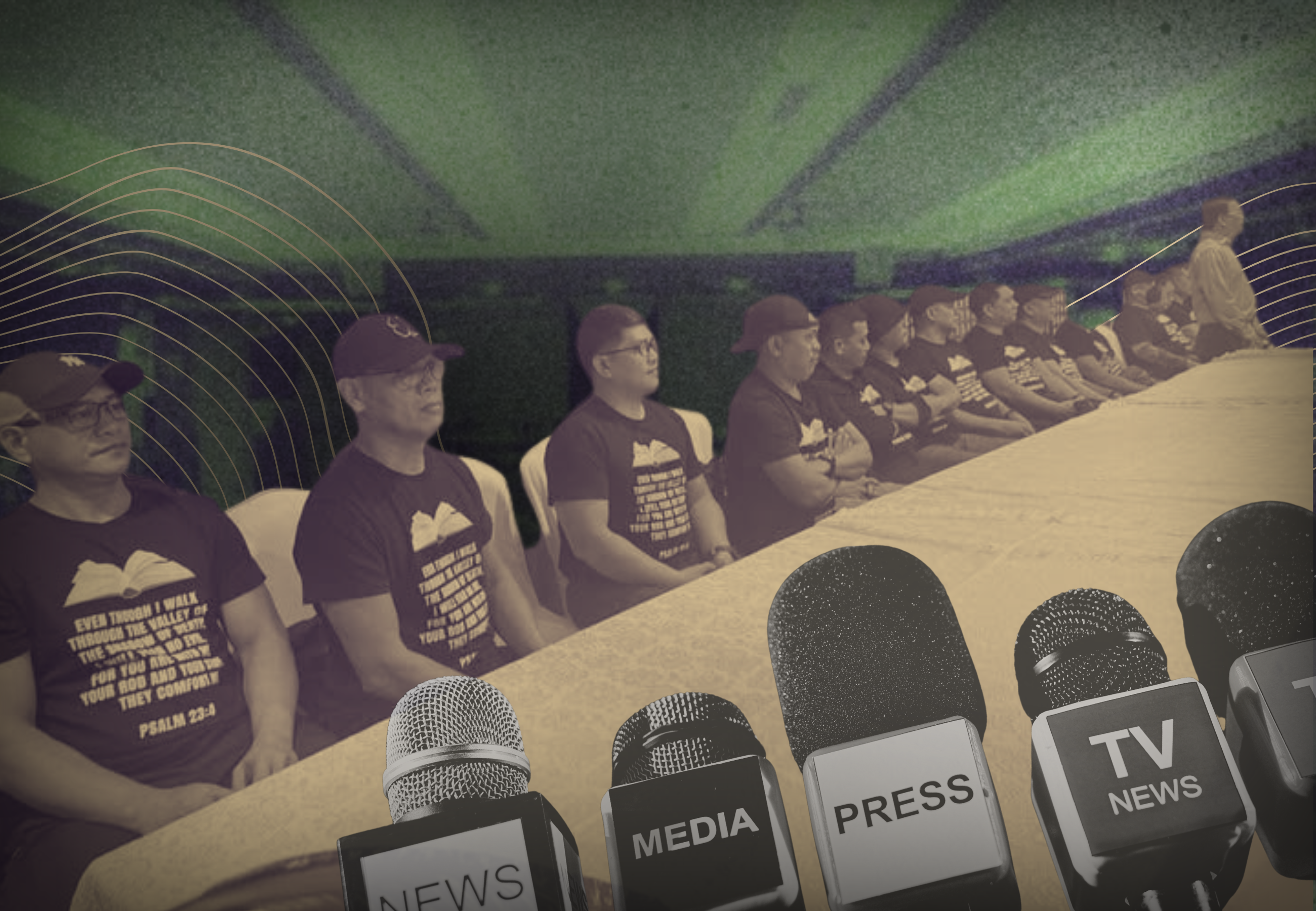
THE SENATE went back to work after weeks of high-stakes struggle for the Upper House of Congress. Former Senate President Alan Peter Cayetano and his sister, Senator Pia Cayetano — now both in the minority bloc and known allies of the Duterte family — promptly drew public attention back to the issue of flood-control-related corruption. Claiming she remained the chair of the Senate Blue Ribbon Committee, Pia Cayetano presided over a June 4 hearing in which 18 individuals — dubbed as former “Marines” — testified to corruption allegations against the Marcos administration as well as opposition figures who were critical of the Duterte family.
TV and print made the hearing their top story. Senate reporters covering onsite did note that there was no scheduled Blue Ribbon Committee hearing on the same issue scheduled for the day, as it had been postponed to June 8 by newly elected chair Erwin Tulfo. Reports duly noted that the Senate staff in charge of official documentation were not present, and that the Senate’s official channels did not livestream the probe. Senate President Pro Tempore Sherwin Gatchalian, now the leader of the Senate majority bloc, called the hearing “bogus” and without basis under Senate rules — a statement carried by the media.
The circumstances certainly raised questions about the hearing’s validity, a point some lawyers who later spoke to the media also noted. Reporters present proceeded to capture footage. Their reports included testimonies of resource persons who all said that they delivered suitcases of cash to the president, certain senators and representatives, or to their staff, and other public figures between 2022 and 2025, all amounting to PHP805 billion in kickbacks. The former soldiers said they were acting as bagmen of former congressman Zaldy Co, a central figure in the corruption scandal.
GMA-7’s 24 Oras briefly noted in its June 4 report that the same “Marines” had already made the claim a few months ago and had submitted affidavits to the Office of the Ombudsman. Rappler’s article on the same date included a clearer timeline with context: “It was in early March or at the height of the International Criminal Court pre-trial hearings on cases of crimes against humanity of former president Rodrigo Duterte, when the ex-marines’ affidavit first circulated.”
Counterclaims, inconsistencies, inaccuracies
Subsequent coverage reported the denials of those named in the hearing by the 18 bagmen, including Senators Vicente “Tito” Sotto III and Erwin Tulfo and Mamamayang Liberal (ML) Party-list Representative Leila de Lima — all of whom were not even in office during the delivery period indicated by the “Marines.” Sotto also told the media that his aide who supposedly received money from the ex-Marines had died in 2015.
The former soldiers also named more recipients of kickbacks — among them, representatives from the left-leaning Makabayan bloc and some House prosecutors for the impeachment trial of Vice President Sara Duterte — who all issued denials that were included in media reports. Reports said that Palawan Representative Jose Alvarez rushed to the Senate on June 4 to clear his name before the media present. News accounts carried his claim that he was suddenly included in the list of those who received kickbacks because he refused to endorse an impeachment complaint against President Marcos.
Media also reported that Senator Tulfo asked why the 18 bagmen did not mention Senators Loren Legarda and Mark Villar during the hearing, when these two were named in the affidavit that was earlier submitted to the Ombudsman.
On June 8, the Tulfo-led Blue Ribbon Committee hearing questioned the narrative of the bagmen, identifying glaring inaccuracies that made it impossible for the transmittal of money to have happened. For instance, the bagmen said they delivered money to De Lima personally at her townhouse during the period of her detention in Camp Crame from 2017 to 2023.
The media reported that the 18 bagmen were invited to the hearing led by Tulfo. But the bagmen did not attend and instead held a press briefing in Senator Robin Padilla’s office. In that briefing, the group stood by their allegations that De Lima and Villar received money, and also pointed out the mistake of including Legarda’s name in their sworn affidavit.
Appearing most recently before the media on June 16, the bagmen listed new names of recipients of kickbacks, including Senators Francis “Kiko” Pangilinan and Francis “Chiz” Escudero, both of whom have denied the accusation. Rappler noted that vloggers and Duterte supporters outnumbered the journalists present in this event.
Questionable claims
The media continued to follow the issue in the news, particularly reporting when the bagmen made new claims and implicated more individuals, including the denials of those named.
Some reports recalled that the bagmen had already appeared in February 2026 and that the PH Navy had issued the same clarification regarding their claimed affiliation back then.
Some news organizations revisited the earlier allegations by the bagmen when reporting the latest denials of those named to have received suitcases of cash.
Inquirer, as early as June 4, noted that Malacaňang had already denied the allegations when they first surfaced. Several of its reports quoted sources who pointed out discrepancies between the February affidavit and the more recent claims. On June 19, its scathing editorial said it best: “With its changing cast of characters and circumstances, the story increasingly sounds like a dagdag-bawas operation that only the most gullible would take at face value.”
On June 9, Dwight de Leon of Rappler also called attention to the inaccuracy of calling the group “Marines,” citing the National Bureau of Investigation’s information that only 3 of the 18 were honorably discharged from service, and the others were just reservists who went on to work as security for Zaldy Co.
Dealing with dubious sources
Journalists and newsrooms should apply their checks on sources that emerge in the stories reported. Healthy skepticism should be part of a journalist’s tools in dealing with sources whose stories are riddled with inconsistencies. If journalists detect lack of logic and questionable information provided by their sources, their reports should limit the narrative to the fact that these sources have come forward, note the gist of their stories and express their doubts about the truth of the tales they tell.
Journalists should report these attempts to deceive them and the public. This helps the audience understand that the media are approached by sources whose aim is to drive further deception and spread lies.
Leave a Reply