Media highlights local government pushback on Boracay bridge
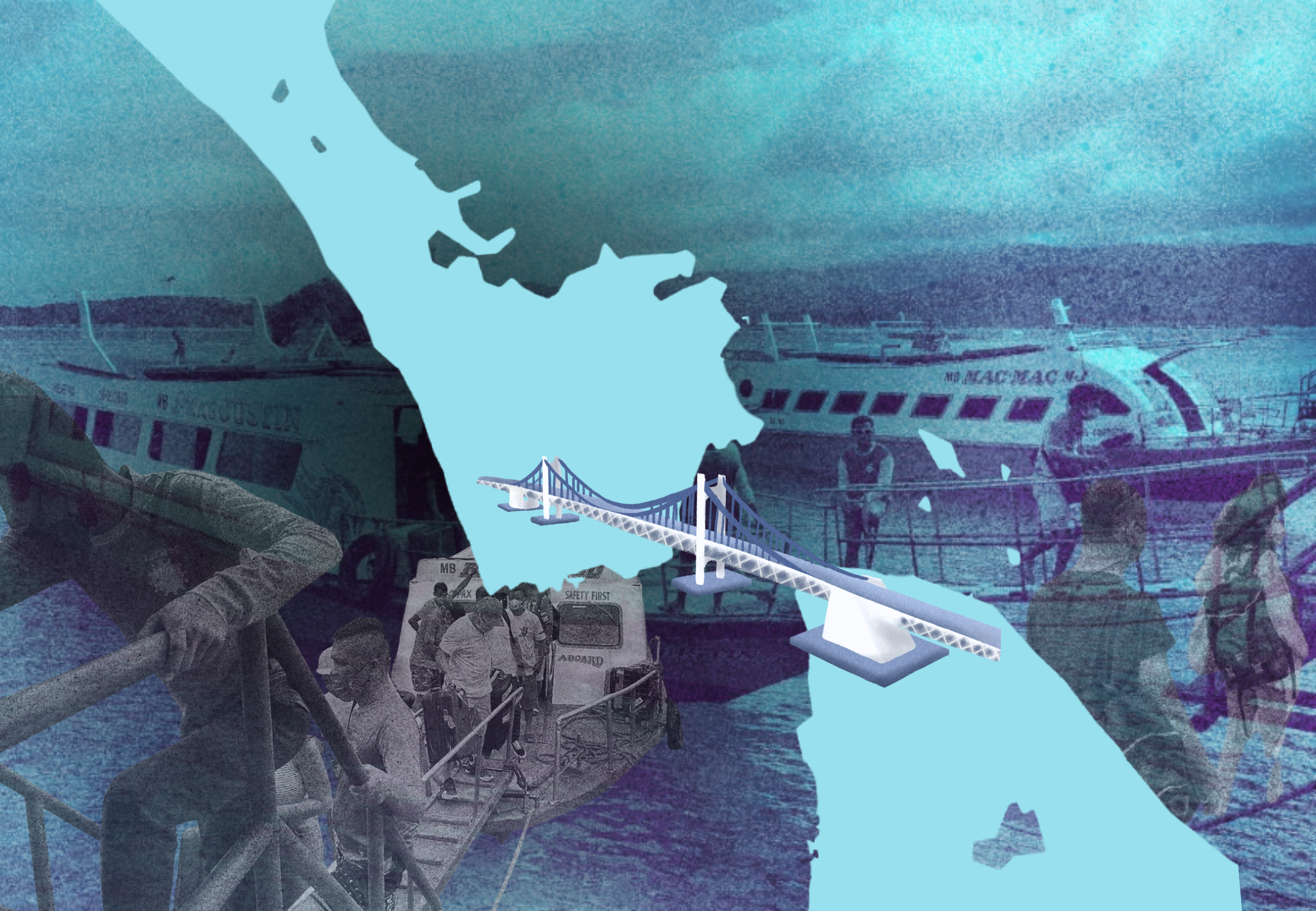
A BRIDGE linking the town of Malay in Aklan province to Boracay will ease land travel for the countless travelers who visit the famed beaches of the island. But opposition to the project may color the public reaction.
The proposal was presented to the provincial board in October 2025, spearheaded by San Miguel Holdings Corporation (SMHC). The project to build a 2.54 km bridge will replace the island’s ferries, providing a link to the mainland for public transport, private vehicles, and cargo trucks that carry supplies to the island.
Opposition to the project emerged early. Aklan’s provincial board, Sangguniang Panlalawigan (SP), formally rejected the proposal in October 2025, arguing that no public consultation was conducted and that the bridge would pose environmental risks. Malay City’s municipal board, Sangguniang Bayan Malay, on March 2026, formally approved a resolution to strongly object to the proposed bridge.
Despite years of vocal opposition from local government, environmentalists, and even the very transport workers who keep the island’s tourism engine running, the Department of Public Works and Highways (DPWH) approved the project on March 25 and gave a Notice of Award to SMHC with a PHP7.78 billion budget on March 30.
The DPWH, as the government proponent of the project, also earned strong disapproval from Aklan’s provincial board. Local government claimed that the agency failed to present a formal endorsement or application and did not conduct consultations with local government units and affected communities.
Against the local communities’ arguments, as of May 5, the project is being finalized, even as strong opposition and formal objections continue from provincial and municipal governments.
Bridging the cons
National media’s coverage was limited to online reports that recorded the strong opposition to the project. Online news sites highlighted concerns over environmental degradation and the economic displacement of communities providing the island’s transport system.
Articles from Inquirer.net, Manila Times, Daily Guardian, and Rappler gave prominence to local groups who emphasized a range of concerns that included the negative impact on the environment, of overdevelopment, along with the loss of livelihood among boat operators and ferry workers.
Concerns and issues
BusinessMirror’s report on April 20 focused on the accountability of national officials who had the authority to reconsider the building of the bridge. It also reviewed the role of DPWH Secretary Vince Dizon, who pushed for the project despite formal appeals against it, and recalled the role of President Marcos Jr., who visited Caticlan in March 2026 and was heard to describe boarding the boat as the start of the vacation experience. However, the report also recalled the expectation that the national government would hear and heed the concerns of the affected communities.
The bridge may be a done deal. But news should continue to report on the opposition raised against the bridge project, which presents as well the impact on local communities; and in particular, the people who transport workers and travelers to the island.
These workers provide a most necessary service. Their loss should obligate government agencies to take into account the cost of their displacement as a state responsibility. Journalists should include this concern in reporting the impact of the bridge.
It might help to document the range of public reaction, those favoring the convenience and speed of getting to Boracay, and those who value the full travel experience as part of its attraction and charm.
Tourism should not be overtaken by ideas that rely on cookie-cutter norms. The enchantment over travel is highly diverse for the simple reason that every person is different. Period.
Leave a Reply