Fuel crisis and the most affected: Media focus on plight; more questions on government response
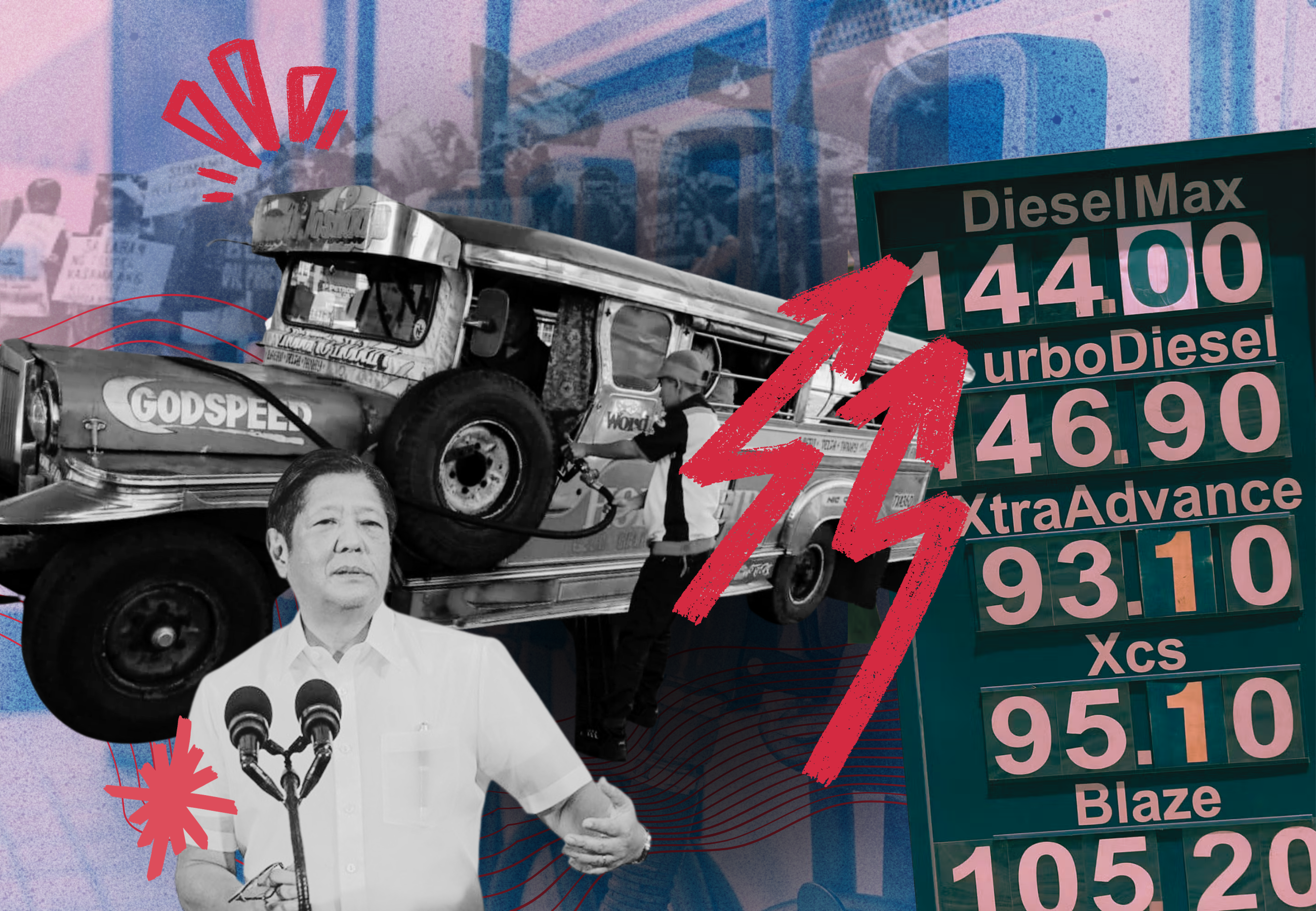
THE FEBRUARY 28 airstrikes on Iran by the United States and Israel plunged the world into an energy crisis. Military tension has stalled the delivery of fuel through the Strait of Hormuz, a vital shipping route that carries 20 million barrels of oil and liquefied natural gas from Gulf states daily.
CMFR noted in a previous monitor that news organizations in the Philippines quickly caught up with the developments directly affecting the country. Philippine news provided coverage with necessary historical and geopolitical context, and appropriately highlighted the impact of the conflict on Filipinos in the Middle East.
The issues comprise key national concerns that are larger than the plight of overseas workers. Being largely dependent on oil imports, the Philippines is now faced with a more severe fuel problem that affects Filipinos at home.
Focus on transport woes
The media wasted no time showing the immediate effects of the crisis on the country’s most vulnerable sectors, including transport, fisherfolk, and farmers. A Rappler article explained how the conflict in the Middle East affects an ordinary Filipino household. Since the conflict began, the media have tracked double-digit oil price hikes for five consecutive weeks, with a rollback of prices announced only on April 14. With the failure of the US-Iran peace talks, global prices remain volatile.
In response to the oil crisis, the government announced its energy conservation plan of a four-day workweek and the adoption of remote work setup on Fridays. The move received criticism from some labor groups that worried about its uneven impact on workers and possible disruption of the delivery of government services. Despite announced adjustments for both public and private sector workers, commuters still came out in droves, feeling the heavier burden and inconvenience caused by fewer public utility vehicles available.
Broadcast news played up its visual strength, showing the sorry state of commuters lining up for hours and recording the complaints of drivers whose earnings went almost entirely to fuel costs. The news featured jeepney drivers taking home the daily earning of PHP150 to 200 or considering seeking other sources of income.
The Department of Transportation (DOTr) approved a fare hike on March 17, only for President Marcos to suspend the implementation on March 18. Marcos assured drivers that cash aid would be given instead.
News accounts carried the distribution of the PHP5,000 cash relief assistance for public utility vehicle drivers, which exposed problems in the payout system of the Department of Social Welfare and Development (DSWD). Reports noted cases of missing names in the agency’s master list, a jeepney driver fainting in line due to extreme heat, and a hospitalized tricycle driver who died without receiving aid as his daughter was not allowed to claim it on his behalf.
The media also reported the transport strikes held by driver organizations Piston and Manibela on different dates in the latter weeks of March, to protest the limited temporary relief measures. The groups also called for the abolition of fuel taxes.
Following the strikes, GMA News featured the Land Transportation Franchising and Regulatory Board (LTFRB) when it raised the idea of implementing service contracting on March 26, a measure that had been adopted during the pandemic. But there was no follow-up from the rest of the media on the urgency and feasibility of this intervention.
Crisis committee
On March 24 — almost a month into the conflict — the Philippines became the first country to declare a state of national energy emergency, with both local and international news recognizing this fact. Through Executive Order 110, Marcos directed a coordinated, inter-agency government response to ensure that the delivery of basic goods and services would not be disrupted. News reported the program dubbed UPLIFT (Unified Package for Livelihoods, Industry, Food, and Transport). The committee in charge is headed by Marcos himself, with the Department of Economy, Planning, and Development functioning as secretariat.
Media should inquire further about the nature of the response, as its bureaucratic character has not clearly defined how the different agencies are going to work together. So far, there has been no roadmap for action that assures government is ready — systematically and financially — to address the crisis.
For instance, the news reported that the DOTr and the LTFRB confirmed the implementation of service contracting of public utility vehicles and fuel subsidies starting April 15 in order to ensure their continuous service. But the media have followed up on how government will ensure continuous funding for this, or until when it would be needed.
The Philippine Star on April 13 reported that within DOTr itself, two units — the Philippine Ports Authority and the Maritime Industry Authority — are in conflict over the implementation of service contracting for maritime services due to limitations in funding.
The Department of Agriculture also confirmed on April 7 fuel subsidies for farmers and fisherfolk to be distributed within the month. Alarmingly, Undersecretary Asis Perez said in a Senate hearing on April 8 that failure to subsidize may cause projected agricultural and fishing losses of PHP75 billion. Farmers and drivers faced similar difficulties in their work due to rising fuel costs.
Reviewing policies
The news has reported initiatives for Congress to review relevant policies and the need to explore long-term solutions. Rappler helpfully listed legislative proposals that the media would do well to review, including the Bayanihan 3 bill filed by Senator Loren Legarda, which recalls the two Bayanihan packages implemented during the COVID-19 pandemic.
News however did not turn to party-list representatives who claimed to represent members of the transport sector, particularly PUV drivers.
The whole crisis exposed the vulnerability of the country’s energy sector to global shifts and shocks, as well as the perennial lack of government foresight to secure sources. Once again, Filipinos are watching their government leaders play catch-up in the face of a crisis.
News reports must assist officials in their efforts to work together to address this current challenge and prioritize citizens’ welfare and comfort, ensuring that the grant of emergency powers focuses on producing public good.
Leave a Reply