Media report what’s next after Duterte’s pre-trial hearings at the ICC
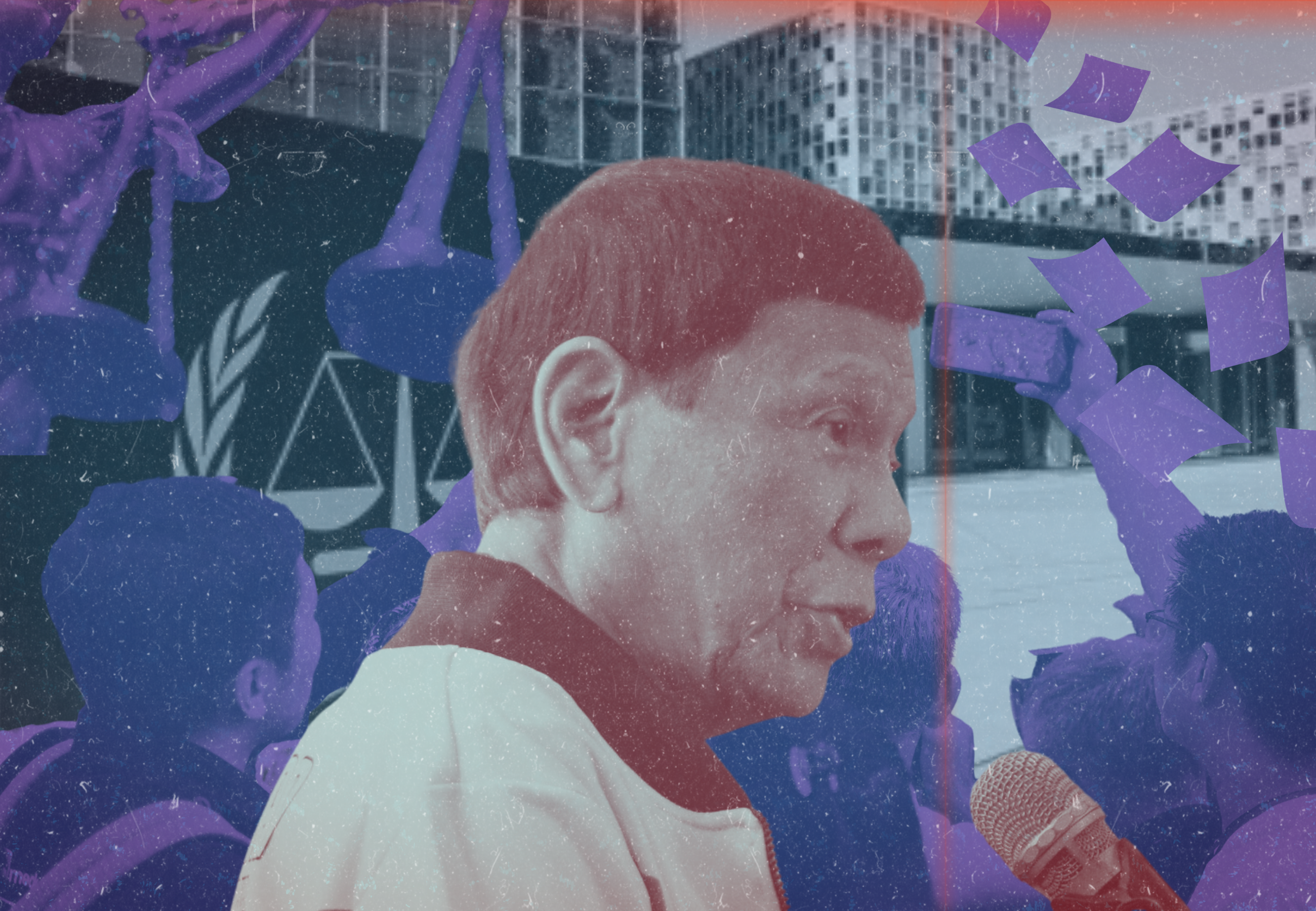
CHEERS TO the news organizations that clearly explained the possible outcomes of former president Rodrigo Duterte’s confirmation of charges hearings at the International Criminal Court (ICC). Duterte has been detained in The Hague, The Netherlands since March 11, 2025 following charges of crimes against humanity in connection to the “war on drugs.” The hearings to confirm the charges were originally scheduled for September 25, but were moved to February 23 to 27, 2026.
Published on different dates between February 15 to March 2, accounts by Philstar.com, Inquirer.net, ABS-CBN News Online, The Philippine Star, and 24 Oras cited briefers prepared by the ICC and Filipino lawyers with expertise in international criminal law. Media reports were clear and straightforward in language, pointing to three possible scenarios following the pre-trial hearings:
First: The ICC Pre-Trial Chamber I confirms the charges, after finding sufficient evidence. The trial will proceed, presided over by a new panel of judges; while Duterte continues to remain under ICC custody.
Second: The chamber finds the evidence presented by the prosecution insufficient and stops the proceedings. This does not prevent the prosecution from appealing the decision or requesting a new confirmation of charges based on additional evidence.
And, third: The chamber adjourns the hearings and requests the prosecution to do any of the following: submit further evidence; conduct additional investigations; or, amend the charges based on the evidence already submitted.
The reports said the pre-trial chamber has 60 calendar days following the conclusion of the hearings, or by April 28, to decide whether to confirm all or any of the three charges of crimes against humanity of murder and attempted murder against Duterte. The ICC specifically lists the three charges as follows:
- Murders in or around Davao City during the mayoral period by the Davao Death Squad;
- Murders of high-value targets during the presidential period; and
- Murders and attempted murders in barangay clearance operations during the presidential period.
Inquirer.net pointed out that warrants of arrest for any unconfirmed charges will lapse, resulting in Duterte’s release from detention.
Philstar.com noted that if the trial proceeds and Duterte is found guilty, he could serve a sentence of up to 30 years in a treaty partner country that has agreed to enforce ICC’s sentences. If found not guilty, he would be released. Either verdict can be appealed by either the defense or prosecution.
These issues are pivotal developments that the media must recount, explaining their significance at this early stage of trial.
The trial is a legal process and will involve complex issues concerning rules that govern the conduct of the ICC. The media must be prepared to provide the background information necessary for the public to understand the process of establishing the accountability of the accused.
Leave a Reply