The Importance of Context: PH media coverage on US-Israel attacks on Iran
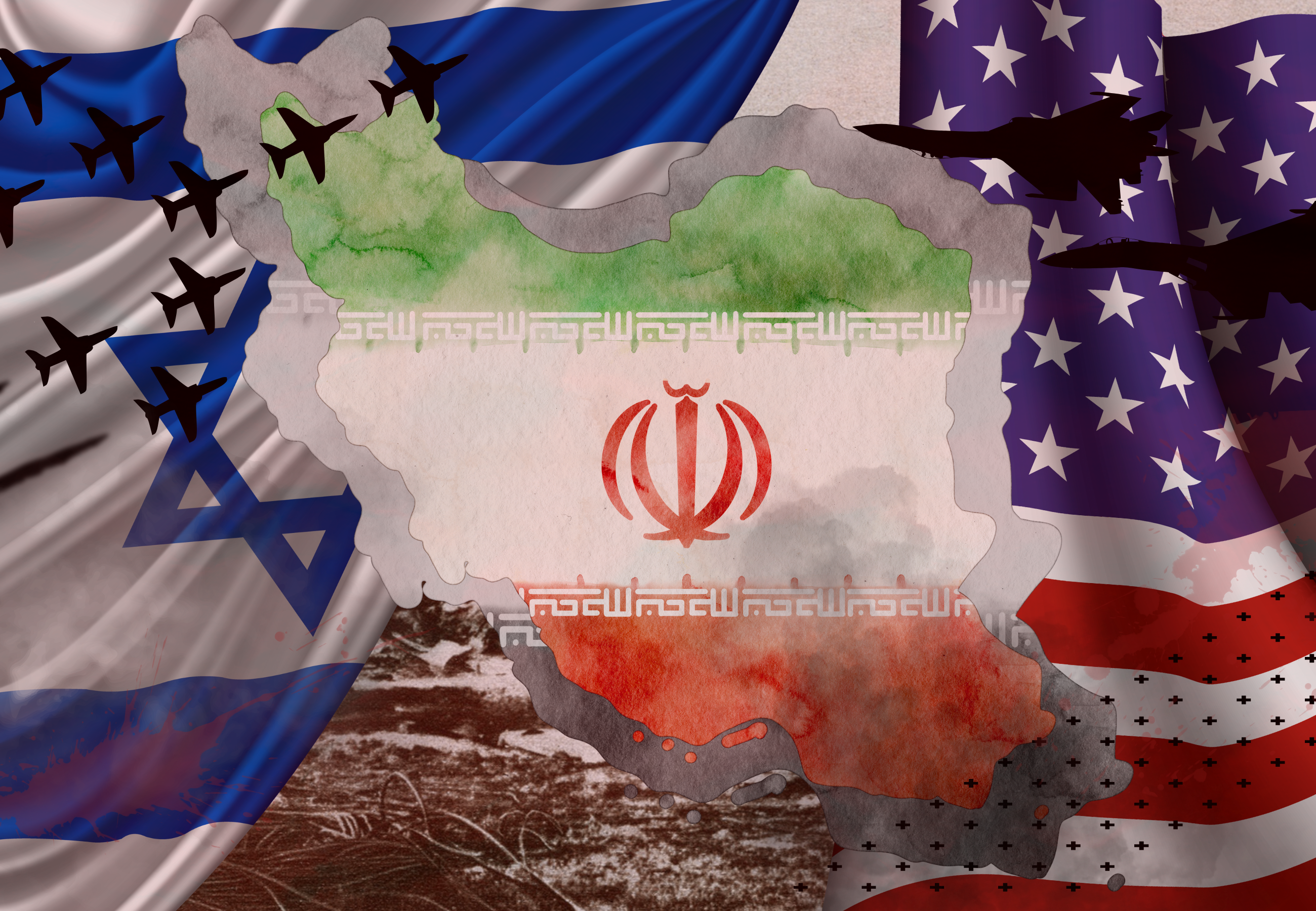
ON FEBRUARY 28, 2026, the United States and Israel launched massive joint air strikes on Iranian targets, including Tehran. Described by US President Donald Trump as “major combat operations,” the attacks resulted in the death of Iran’s Supreme Leader, Ayatollah Ali Khamenei, along with several family members.
The US justified the strikes as a preemptive operation. In retaliation, Iran fired ballistic missiles at Israel and targeted US military bases in Bahrain, Kuwait, Qatar, and the UAE, marking a dangerous military escalation across West Asia.
Philippine media were immediate in undertaking coverage, with specific focus on the situation of Overseas Filipino Workers (OFWs) in Iran and nearby countries.
However, some reports broke out of this limited frame and moved beyond breaking news updates. Coverage broadened its scope and provided backgrounders on the historical context, including geopolitical analysis, along with the requisite localized lens to discuss the economic and humanitarian issues that were of immediate concern to Filipino communities.
Historical context
Two reports highlighted the historical and diplomatic roots of the crisis, noting that the current round of hostilities did not occur suddenly but emerged from geopolitical tensions that had accumulated over decades in West Asia.
News5’s Frontline Tonight took viewers on a deep dive into the roots of the long-running US-Iran tensions, starting from the 1953 US-led coup against Prime Minister Muhammad Musadeq and heightened by the Islamic Revolution of 1979.
The report clarified the extended background leading to the current escalation – a struggle that has lasted nearly a half-century over oil and the paramount question of national sovereignty.
News5’s backgrounder clarified the distinction between Persian and Arab identities, helping the public appreciate the dynamics involving regional participants.
GMA Integrated News linked the current strikes to the “12-Day War” of June 2025, which involved Israel and Iran in an exchange of air strikes and drone attacks. GMA called attention to the significance of the dates, pointing out that these 2026 attacks occurred just two days after the conclusion of the third round of nuclear talks in Geneva, which had been described in the news as having made “significant progress.” The reference presented the US-Israeli military strikes as a sudden and unexpected derailment of a fragile, but still hopeful, diplomatic path.
International laws
Two news organizations framed the air strikes against the larger global landscape, discussing the significant implications under international law.
Bulatlat provided a specific focus on international law, citing the International Association of Democratic Lawyers (IADL) to argue that the strikes constituted a “crime of aggression” and violated Article 2(4) of the UN Charter regarding territorial integrity. They also highlighted a strike on a girls’ elementary school that killed 180 children, framing it as a potential war crime and a violation of the Geneva Conventions.
Meanwhile, ANC cited international law professor Marko Milanovic, who explained that the legality of the attacks depends on whether they can be justified as self-defense under the UN Charter and whether they meet the principles of necessity and proportionality, which also require the protection of civilians during armed conflict.
Localized effect
Most of the media reported on the local effect of the outbreak. Some media reports did well in localizing the scope of conflict, projecting its direct threat to the Philippine economy and its people.
Rappler’s “In Numbers” provided essential data, noting that 2.4 million Filipinos live in West Asia; pointing to hard facts: that 85,934 Filipinos work and live in areas classified under high-level crisis alerts; and that 6 in 10 OFWs in the region are women. The report also highlighted a lesser-known fact: 25,000 Filipino students and 1,000 educators are in the Gulf region, where many of the retaliatory strikes occurred. With data and infographics, Rappler visualized the specific vulnerabilities of OFWs, students, and the concentration of Philippine schools in the strike zones.
Inquirer.net characterized the escalating hostilities as an “economic fault line” for the Philippines. They explained how disruptions to shipping lanes and oil price volatility directly threaten the $6.4 billion in annual remittances that sustain millions of Filipino households.
Overall, Philippine media coverage demonstrated responsible and comprehensive reporting, moving beyond breaking news to analyze historical, legal, and economic contexts. Reports explained why the conflict occurred and presented the international legal questions that these attacks may raise.
Closer to home, reports also described the ripple effects on the lives of so many Filipinos who have come to depend on the remittances of their family members working in the conflict areas. The coverage of the news organizations reported the crisis with the concerns of millions of Filipinos in mind. Their news included information that could help these communities prepare for sudden change in their lives.
Continuing coverage and follow-up should retain these concerns, not just for the general public. The news should also help particular communities consider what lies ahead should an extended military conflict cast the region into darkness.
Leave a Reply