Impeachment in the headlines: How media covered the cases against Duterte and Marcos
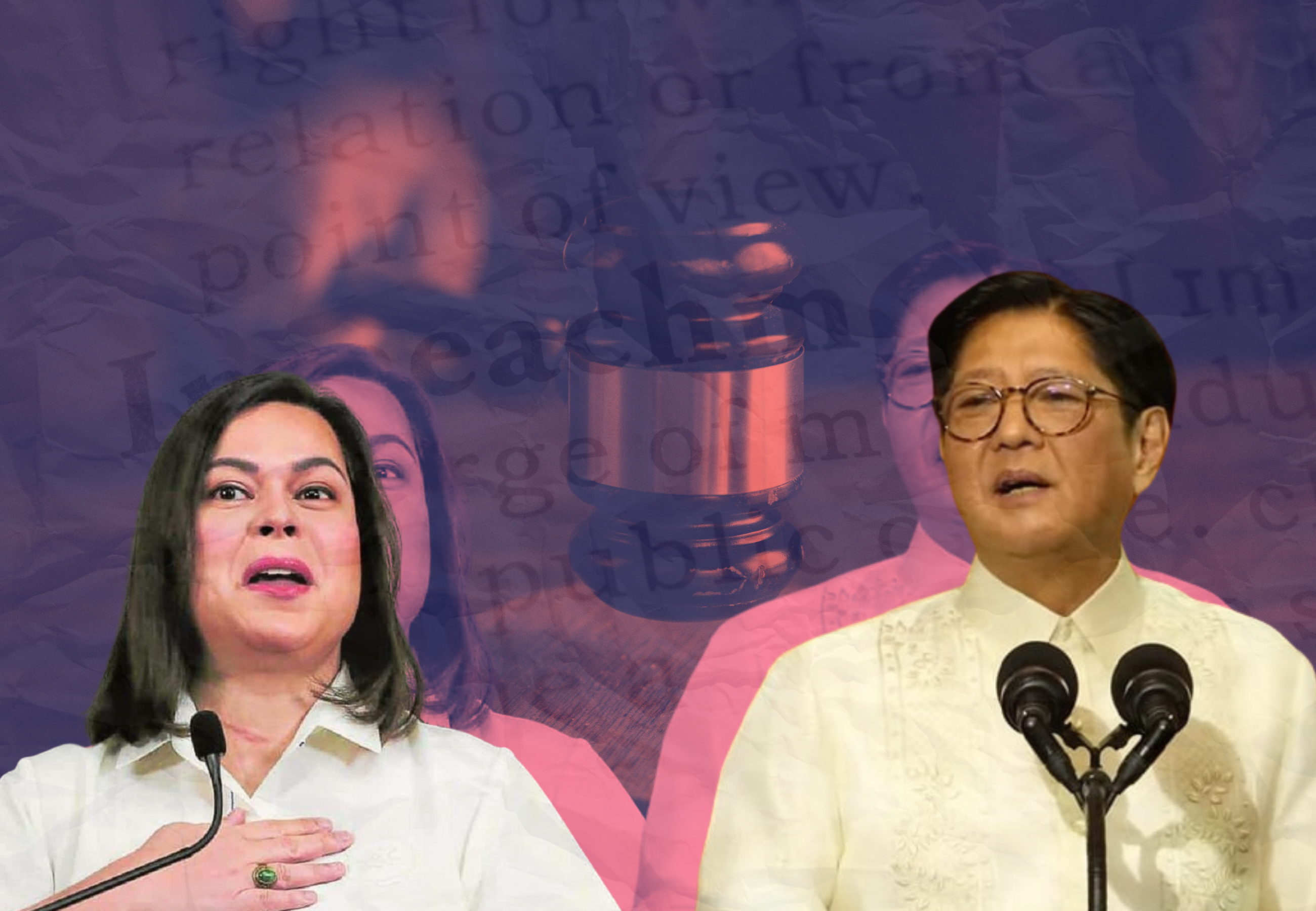
IMPEACHMENT IS a paramount tool provided in the Philippine Constitution so Filipinos can exact accountability for wrongdoing in high office. It is a political instrument to address serious political conflicts and resolve political disputes, but it serves to check grave abuse of power in high office when this occurs.
Impeachment calls reporters to help the public, ordinary people who may not be consistent or dedicated in their consumption of news, to appreciate the significance of the political development and understand the purpose of an extraordinary political instrument.
Impeachment proceedings against Vice President Sara Duterte and President Ferdinand “Bongbong” Marcos Jr. have placed two of the country’s highest officials under this rare constitutional scrutiny. Media have responded with sustained attention from late 2025 through early 2026. The House of Representatives dealt with fresh impeachment complaints against Marcos as it navigated through the fallout of earlier impeachment motions against Duterte. Some news organizations presented the parallel processes, the different timelines, objectives, and allegations filed and on the record.
The coverage of Vice President Sara Duterte’s impeachment included detailed timelines, repeated references to the charges, and explanations of the legal issues involved. Several reports also carried statements from lawmakers, complainants, and civil society groups discussing the substance of the accusations.
In contrast, reports on the impeachment complaints against Marcos have focused mainly on procedural developments, such as whether the complaints were sufficient in form, referred to a committee, or scheduled for review. Reports did not explain specific allegations as much as the reports on Duterte did. Charges against Marcos included culpable violation of the Constitution, betrayal of public trust, and graft and corruption in relation to executive decisions and the handling of public funds.
On February 18, 2026, the House justice committee voted to junk the impeachment complaints filed against President Marcos, ruling them insufficient in substance. This latest development shifts the focus of coverage from pending procedure to the disposition of the complaints themselves, and underscores how quickly impeachment processes can evolve within Congress.
The dismissal also places earlier coverage in context: much of the reporting had centered on procedural thresholds and legislative steps rather than sustained discussion of the allegations themselves. The committee’s action underscores how impeachment stories can pivot quickly, from questions of form and referral to a final determination, reinforcing the need for reporting that keeps both the procedural trajectory and the substantive grounds of complaints consistently in view.
CMFR notes that the impeachment complaints against Marcos at this point may continue to evolve as proceedings move forward.
Explaining Duterte’s impeachment
GMA News published on February 3 a detailed timeline tracing the impeachment proceedings against Duterte — from the filing of complaints in the House in early 2025 to steps taken by Congress up to the intervention of the Supreme Court on January 28, 2026 to reaffirm the unconstitutionality of the earlier impeachment because based on the prohibition of more than one impeachment in one year, setting the stage for fresh complaints in February 2026.
This timeline approach helped audiences to follow the sequence of events, presenting the impeachment as a process that unfolds after the announcement of the impeachment vote.
Rappler’s reporting detailed the specific allegations raised against Duterte. These included claims of misuse of confidential funds, threats against public officials, graft, and betrayal of public trust. By naming the charges, each time impeachment developments were reported, Rappler highlighted the basis of the impeachment motion, avoiding the impression of the development as mere political infighting.
When the Supreme Court voided Duterte’s impeachment in 2025, Reports by ABS-CBN News and Philstar.com did well to clarify that the High Court’s ruling upheld the constitutional limit to one impeachment motion in one year – and not on a finding that Duterte was innocent of the charges.
Reporting Marcos’ impeachment
In contrast, some coverage of impeachment complaints filed in early 2026 against President Ferdinand Marcos Jr. lacked sufficient discussion of the basis of the complaint.
Reports said that impeachment complaints against Marcos were declared “sufficient in form” in January 2026. Media reports informed the public about the process moving forward, but some reports did not highlight the charges and offered little explanation of the accusation or the basis for the impeachment.
Philstar.com reported that lawmakers themselves viewed the first impeachment complaint against Marcos as having “weak footing,” suggesting internal doubts about the strength of the allegations and the level of support in Congress.
Both Inquirer.net and Rappler highlighted the constitutional one‑year bar that affected Duterte’s case and why new complaints against Marcos could proceed only in the following year.
Media, impeachment, and public trust
The contrast between the coverage of the two cases is notable, reflecting an editorial choice. Still the reports effectively highlight a key point: impeachment is a constitutional tool designed to hold high officials accountable.
Reporting must include scrutiny of both procedure and substance, as it is essential for the public to understand why impeachment was initiated and what is at stake in terms of preserving standards for good governance and the rule of law.
Leave a Reply